Wholesale Palm Leaf Tableware is gaining attention as foodservice buyers reassess plastic-heavy disposable formats. Areca palm leaves, naturally shed and collected in rural supply chains, can become plates, bowls, and trays without cutting living trees. Their warm grain, pressed edges, and firm surface suit weddings, catering counters, takeaway meals, and eco-conscious retail displays.
The market opportunity is real, but it needs careful reading. Grand View Research valued the global sustainable packaging market at approximately US$101.49 billion in 2022. It projects a 9.3% compound annual growth rate from 2023 to 2030. Fortune Business Insights also estimated the wider disposable tableware market at US$43.13 billion in 2023. These figures include many materials, not palm leaf alone. That distinction matters.
Ellen MacArthur, a leading circular-economy authority, states, “Eliminate the plastics we don’t need.” Her principle helps frame responsible Wholesale Palm Leaf Tableware sourcing. However, palm leaf products are not automatically sustainable everywhere. Buyers should verify collection practices, food-contact compliance, moisture resistance, carton protection, and end-of-life facilities. A plate that looks natural may still travel thousands of kilometers.
Experienced wholesalers inspect thickness, pressing quality, odor, rim strength, and batch consistency. They also request supplier audits and documented certifications. Small details matter. A warped plate can damage a caterer’s reputation.
This guide examines leading suppliers, export capabilities, private-label options, minimum order quantities, and quality controls. Some market claims remain difficult to verify. That uncertainty deserves attention, not polished marketing language.
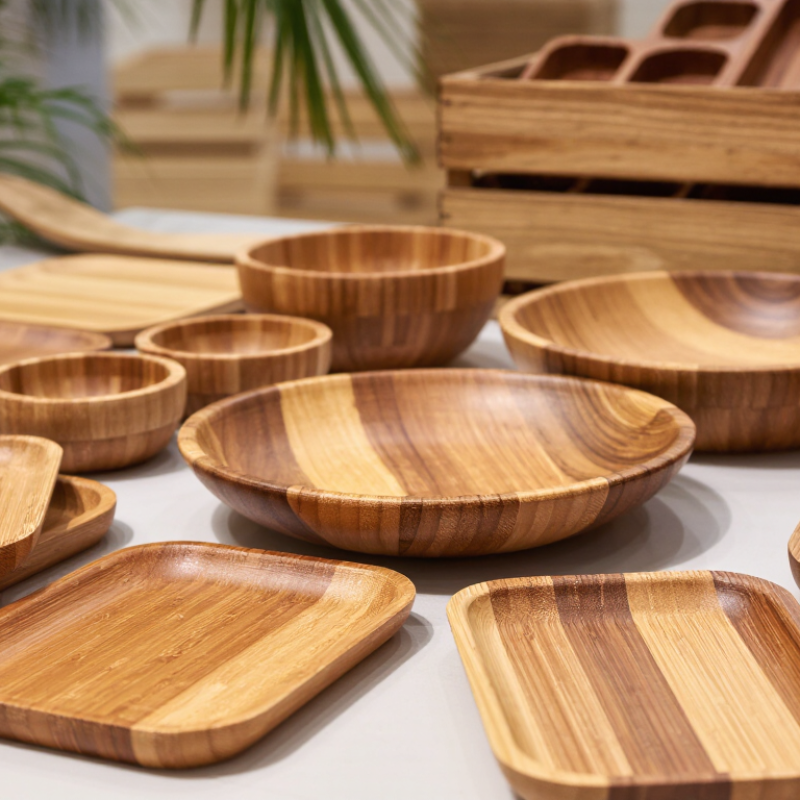
China’s areca palm leaf tableware industry uses fallen leaf sheaths, not freshly cut leaves. Workers collect, wash, heat-press, and dry the material. The process creates plates with visible veins, uneven edges, and a light brown surface. These details often show genuine plant-fibre content. They also require tighter quality control.
Grand View Research valued the global disposable tableware market at about USD 40.6 billion in 2022. However, public reports rarely separate areca products from paper, bagasse, and other fibres. China Customs also places many products inside broader HS categories. This makes exact export comparisons difficult. Buyers should request shipment records, production audits, and product-specific test reports.
China’s manufacturing capacity is concentrated in coastal and central processing zones. A typical production line includes hydraulic presses, trimming equipment, sterilisation systems, and moisture testing tools. Export orders usually require stable dimensions, clean packaging, and consistent carton loading. Wholesale suppliers should state daily output carefully. “Capacity” may mean installed machines, not actual monthly production. That difference matters.
Industry practice shows that moisture control remains a weak point. Plates can warp after long storage or sea transport. Independent testing should cover food-contact safety, microbial limits, and migration requirements for the destination market. Certifications help, but they do not replace factory inspection. Reliable sourcing depends on traceable raw-material collection and repeated batch testing.
Many suppliers request 5,000 to 20,000 pieces per design. Smaller trials may cost more per piece.
Production often takes 20 to 45 days after artwork approval. Shipping time comes separately. A “30-day” quote may hide inspection or packing delays.
Request separate costs for products, cartons, tooling, and delivery terms. Check every line carefully. A low unit price may exclude important charges.
Request production samples, recent batch photos, and written quality standards. Inspect odor, stains, loose fibers, cracks, and uneven edges. Digital drawings are not enough for custom work.
Leaf size, thickness, shape, packaging, and testing documents affect pricing. Embossing and private packaging may require higher order quantities. I once trusted a low minimum order. The final unit cost was worse.
Ask for recent migration reports, heavy-metal results, and batch traceability records. Documents should identify the exact product and production site. Old reports can mislead buyers.
Test samples with hot soup, oily meals, and acidic sauces. Dry-food testing alone may miss problems. Inspect odor and surface changes afterward.
Review factory capacity, moisture control, worker safety, and packaging tests. Check cleaning, molding, additives, coatings, and packaging materials. A complete file can still miss one component.
Share forecasts early, especially before holiday production peaks. Confirm capacity and inspection timing in writing. I would not rely on promises alone.
China’s areca palm leaf tableware industry transforms naturally fallen leaves into practical, compostable foodware through a structured 4–6-stage process. Leaves are collected, cleaned, dried, softened, and shaped with heat and pressure before trimming, quality inspection, and hygienic packing. This approach creates plates, bowls, trays, and containers while making use of an agricultural byproduct and supporting large-scale domestic and export production.
When selecting a Wholesale Palm Leaf Tableware supplier, buyers should compare minimum order quantities, production capacity, lead times, pricing, packaging options, and customization services. Food-contact compliance should be verified through suitable testing against requirements such as FDA 21 CFR, EU Regulation 1935/2004, and LFGB, depending on the target market. Environmental claims should also be evidence-based: biodegradability or industrial compostability should be assessed against recognized standards, including EN 13432 and ASTM D6400, while clearly stating the conditions required for proper decomposition.