ISO 9001 & 14001 · LFGB §30/§31 [email protected] FOB New Mangalore Port, blog

Blog

China Top Wholesale Palm Leaf Tableware Suppliers

China Top Wholesale Palm Leaf Tableware Suppliers

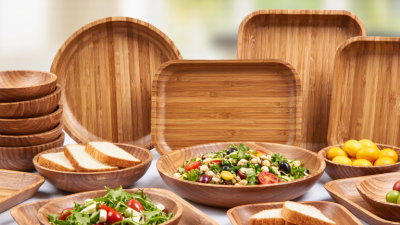
Wholesale Palm Leaf Tableware is gaining attention as foodservice buyers reassess plastic-heavy disposable formats. Areca palm leaves, naturally shed and collected in rural supply chains, can become plates, bowls, and trays without cutting living trees. Their warm grain, pressed edges, and firm surface suit weddings, catering counters, takeaway meals, and eco-conscious retail displays. The market opportunity is real, but it needs careful reading. Grand View Research valued the global sustainable packaging market at approximately US$101.49 billion in 2022. It projects a 9.3% compound annual growth rate from 2023 to 2030. Fortune Business Insights also estimated the wider disposable tableware market at US$43.13 billion in 2023. These figures include many materials, not palm leaf alone. That distinction matters. Ellen MacArthur, a leading circular-economy authority, states, “Eliminate the plastics we don’t need.” Her principle helps frame responsible Wholesale Palm Leaf Tableware sourcing. However, palm leaf products are not automatically sustainable everywhere. Buyers should verify collection practices, food-contact compliance, moisture resistance, carton protection, and end-of-life facilities. A plate that looks natural may still travel thousands of kilometers. Experienced wholesalers inspect thickness, pressing quality, odor, rim strength, and batch consistency. They also request supplier audits and documented certifications. Small details matter. A warped plate can damage a caterer’s reputation. This guide examines leading suppliers, export capabilities, private-label options, minimum order quantities, and quality controls. Some market claims remain difficult to verify. That uncertainty deserves attention, not polished marketing language.
Read more »
Ethan By:Ethan - October 23, 2026
Why Choose Private Label Palm Leaf Plates?

Why Choose Private Label Palm Leaf Plates?

Why Choose Private Label Palm Leaf Plates? The answer begins with the dining experience. A guest notices the warm, natural texture before tasting the food. They may also notice whether the plate bends under a curry, leaks beneath dressing, or arrives with a sharp edge. Private Label Palm Leaf Plates can connect practical performance with a clear brand identity. These plates are commonly made from naturally shed areca palm leaves. Reputable manufacturers clean, heat-press, trim, and inspect each piece. The result can feel more distinctive than ordinary disposable tableware. However, natural materials are not perfectly uniform. Small differences in color, grain, and shape may appear. That is part of their character, but buyers should set realistic quality expectations. A dependable private-label program requires more than printing a logo. It requires careful supplier evaluation, product samples, production records, and food-contact documentation for the intended market. Confirm the material source, manufacturing process, packaging conditions, and testing results. Check several cartons, not only one sample. Look for crushed corners, moisture, odors, and inconsistent sizing. Details matter. Your packaging should protect the plates while explaining their intended use and disposal guidance. Claims such as “compostable” or “eco-friendly” should match available evidence and regional requirements. It is easy to overpromise. A stronger approach is transparent communication, supported by supplier records and independent verification where appropriate. With thoughtful sourcing, Private Label Palm Leaf Plates can help restaurants, caterers, retailers, and event companies create a memorable serving experience. The real value comes from consistency, honest claims, and careful attention to every plate.
Read more »
Alexander By:Alexander - October 18, 2026
China Best Compostable Palm Leaf Dinnerware Supplier?

China Best Compostable Palm Leaf Dinnerware Supplier?

Choosing China’s best supplier requires more than attractive photos and a low quotation. Compostable Palm Leaf Dinnerware should perform reliably from factory packing to the customer’s table. Buyers need to examine raw material sourcing, molding methods, hygiene controls, and export experience. Real quality appears in small details. A plate should remain stable under warm rice, curry, or soup. Its rim should feel smooth, not sharp or fragile. The surface may show natural veins, and that variation can confirm its plant-based origin. However, excessive cracks, stains, or uneven edges suggest weak inspection. Request samples before discussing large orders. Test them with hot food, oily meals, stacking pressure, and short storage periods. Ask for production photos, factory information, inspection records, and applicable compostability documentation. Claims should match recognized standards and the destination market’s requirements. A responsible supplier explains limitations clearly. No supplier is perfect. Price matters, but consistency matters more. A cheaper carton can create damaged goods, customer complaints, and avoidable waste. Experienced exporters should also communicate realistic lead times, packaging options, loading plans, and replacement policies. These practical details reveal more than a polished brochure. China offers many capable manufacturers, yet “best” depends on your market, volume, design, and compliance needs. One supplier may excel at custom shapes, while another delivers stronger logistics support. Careful comparison is essential. Even an impressive sample deserves further testing, because one successful shipment does not prove long-term reliability. This guide examines the qualities that help buyers choose a trustworthy China-based partner for Compostable Palm Leaf Dinnerware.
Read more »
Ethan By:Ethan - October 13, 2026
Why Choose Areca Leaf Sheath Tableware for Global Buyers?

Why Choose Areca Leaf Sheath Tableware for Global Buyers?

Global buyers are rethinking disposable food packaging. Areca Leaf Sheath Tableware offers a practical option for meals, catering, hospitality, and retail. It is commonly made from naturally shed areca palm sheaths. Manufacturers clean, heat-press, trim, and inspect the material before shipment. The result is a firm plate, bowl, or tray with a warm, natural appearance. Each piece may show small differences in color, grain, and edge shape. That variation feels authentic, but it also requires clear quality standards. Professional sourcing involves more than checking photographs. Buyers should review product dimensions, thickness, weight, packing methods, and production capacity. They should also request food-contact test reports for the destination market. Requirements may differ across regions. Ask whether the product contains coatings, binders, dyes, or other additives. Confirm moisture resistance through practical testing. A hot curry, oily rice, or chilled dessert can reveal weaknesses quickly. Factory audits and sample approvals can reduce costly surprises. The material is not flawless. Some pieces may warp under excessive moisture or uneven heating. Supply can also change with seasonal collection and local processing conditions. These limitations deserve honest discussion. Reliable suppliers explain them and offer corrective measures. Buyers should verify compostability claims through relevant certifications, rather than relying on green labels alone. When traceability, testing, and consistent communication support the purchase, Areca Leaf Sheath Tableware becomes more than an attractive alternative. It becomes a considered choice for businesses seeking renewable-looking serviceware with measurable performance. The right decision still depends on use, market rules, and supplier evidence.
Read more »
Alexander By:Alexander - October 8, 2026
What Is Biodegradable Disposable Tableware?

What Is Biodegradable Disposable Tableware?

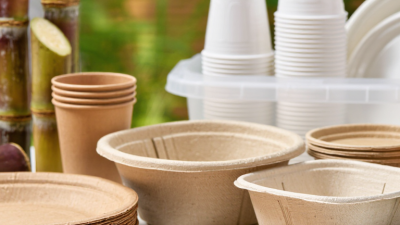
Biodegradable Disposable Tableware is becoming more visible at cafés, food trucks, offices, and outdoor events. Bagasse plates feel slightly fibrous, while molded-pulp bowls often show natural surface variations. These details reveal a shift away from conventional plastic serviceware. The shift is significant. The OECD’s Global Plastics Outlook reported that global plastic waste doubled from 2000 to 2019, while only 9% was successfully recycled. Packaging represents a major share of this waste stream, according to the United Nations Environment Programme’s 2023 report, Turning off the Tap. Yet replacing plastic is not automatically sustainable. Material choice, production energy, transport distance, and disposal conditions all matter. This article explains what Biodegradable Disposable Tableware means in practical and technical terms. Common materials include sugarcane bagasse, bamboo fiber, paper, wood, and certified compostable bioplastics such as PLA. However, “biodegradable” does not always mean that a product will decompose quickly in a backyard compost pile. Some items require controlled industrial composting facilities, heat, moisture, and microbial activity. That distinction is often missed. European Bioplastics, with data from the nova-Institute, projected global bioplastics production capacity to grow from about 2.47 million tonnes in 2024 to approximately 5.73 million tonnes by 2029. These figures indicate strong market development, not guaranteed environmental performance. Buyers should examine recognized certification, full product specifications, and local waste infrastructure. A better question is not simply, “Is it biodegradable?” It is, “Where, how, and under what conditions will it break down?”
Read more »
Alexander By:Alexander - October 3, 2026
2026 Top Palm Leaf Compartment Plates for Bulk Buyers?

2026 Top Palm Leaf Compartment Plates for Bulk Buyers?

For bulk buyers, the right plate is more than a natural-looking alternative. It must arrive in consistent sizes, hold divided portions securely, and withstand real service conditions: a warm entrée, a crisp side, and sauce kept neatly apart. Palm Leaf Compartment Plates can meet those needs, but quality varies by supplier, leaf, and production process. A sample matters. Market context helps, but it does not replace inspection. Grand View Research’s Disposable Tableware Market report offers category-level demand context, while the United Nations Environment Programme’s 2023 Turning off the Tap report emphasizes evaluating materials across their lifecycle. Neither report establishes that every palm-leaf plate is automatically a better choice. Buyers should still check product specifications, manufacturing details, packaging, and available environmental documentation. Look closely. Are compartments deep enough? Do rims feel smooth? Does the plate stay flat under food? These small checks can prevent larger sourcing problems. Compare quoted prices against usable units, not headline cost alone, and ask how suppliers manage batch consistency and breakage. A credible specialist quotation would add authority here. However, the supplied material identifies no verifiable Palm Leaf Compartment Plates expert or attributable statement, so inventing one would mislead buyers. This guide instead focuses on practical evaluation: plate design, supplier evidence, and fit for service. Some details will depend on each buyer’s menu and handling process. That deserves a closer look.
Read more »
Ethan By:Ethan - September 28, 2026
2026 Top Types of Palm Leaf Bowls for Global Buyers

2026 Top Types of Palm Leaf Bowls for Global Buyers

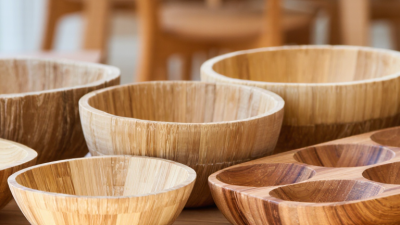
Palm Leaf Bowls are becoming a practical choice for global buyers seeking natural tableware with a distinctive handmade appearance. Made from fallen palm leaves, these bowls can bring warm textures to restaurants, catering events, hotels, and home dining. Their shallow curves, visible fibers, and earthy color changes make every piece slightly different. That difference is part of their appeal. However, not every palm leaf product offers the same performance. Buyers should examine leaf sourcing, cleaning methods, pressing quality, edge strength, and packaging protection. A reliable supplier should explain production steps clearly and provide samples before large orders. Food-contact suitability, moisture resistance, odor, and storage conditions also deserve careful review. Certification can support trust, but documents should be checked for scope and validity. This guide explores the top types of Palm Leaf Bowls for international purchasing in 2026. It compares round bowls, deep serving bowls, compartment styles, and molded designs. Each type suits different meals, presentation styles, and shipping needs. Some are better for dry foods, while others handle brief contact with moist dishes. Not perfectly uniform. Real sourcing decisions often involve compromises. A thicker bowl may feel stronger but cost more to ship. A polished finish may look attractive but reduce the raw, natural character. Based on practical product evaluation, this overview focuses on usable details rather than fashionable claims. Buyers can use it to ask sharper questions, reduce avoidable quality problems, and choose products that match their markets responsibly.
Read more »
Alexander By:Alexander - September 23, 2026
How to Source Palm Leaf Platters and Trays Wholesale

How to Source Palm Leaf Platters and Trays Wholesale

Sourcing Palm Leaf Platters and Trays wholesale requires more than comparing catalog prices. Buyers must examine material quality, supplier experience, production consistency, and delivery reliability. A low quote can hide weak packaging, uneven tray shapes, or costly replacement orders. Ellen MacArthur, a leading circular-economy authority, states, “A circular economy is based on the principles of designing out waste and pollution, keeping products and materials in use, and regenerating natural systems.” This principle helps guide responsible palm-leaf sourcing. However, not every natural-looking tray meets the same environmental standard. That assumption needs testing. Reliable buyers request physical samples before confirming large quantities. Check the tray surface, rim strength, odor, moisture resistance, and stacking performance. Place sample platters under realistic catering conditions. Add warm food. Test short-distance transport. Small details matter. Supplier verification should include factory photographs, production capacity, quality-control procedures, packaging methods, and export experience. Ask whether the products are made from naturally shed leaves or other materials. Request clear information about additives, coatings, food-contact suitability, and compostability claims. Documentation may be incomplete. Follow up carefully. Pricing also deserves a wider view. Include mold charges, carton dimensions, port handling, breakage allowances, and seasonal delays. Minimum order quantities can restrict smaller businesses. That is often overlooked. The strongest wholesale partner communicates clearly and admits limitations. Buyers should record every promise in writing. Palm Leaf Platters and Trays can support attractive, lower-waste food presentation, but only when sourcing decisions are evidence-based, practical, and open to review.
Read more »
Alexander By:Alexander - September 23, 2026
China Top Areca Palm Leaf Plates Supplier for Global Buyers

China Top Areca Palm Leaf Plates Supplier for Global Buyers

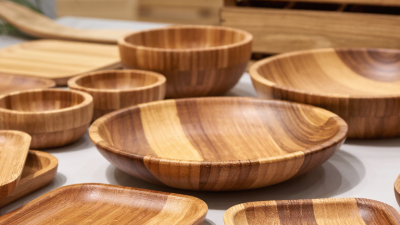
China has become a major sourcing destination for Areca Palm Leaf Plates, serving restaurants, caterers, retailers, and distributors worldwide. These plates are made from naturally fallen areca palm sheaths, not harvested for single-use tableware. Their warm grain, firm structure, and compostable profile make them attractive for modern food service. Reliable Chinese suppliers combine practical manufacturing experience with controlled production processes. They clean, press, dry, trim, and inspect each plate before packing. Good factories also monitor moisture, surface cleanliness, shape, edge strength, and packaging conditions. Buyers should request product samples, production photographs, test reports, and clear material specifications. Supplier communication matters too. Details matter. A dependable supplier should explain how raw materials are collected and how quality is maintained during humid seasons. They should also provide consistent dimensions, safe food-contact materials, and export-ready packaging. However, no supplier should pretend that every batch is identical. Natural fibers can create small differences in color, texture, and thickness. This is normal, but uncontrolled defects are not. Global buyers need more than attractive product images. They need transparent information, responsive service, stable lead times, and evidence-based quality claims. This guide introduces what to examine when choosing a China-based Areca Palm Leaf Plates supplier. It also considers production capability, customization, packaging, sustainability practices, and long-term cooperation. With careful verification, buyers can reduce sourcing risks and select products that perform reliably at real dining tables.
Read more »
Alexander By:Alexander - September 23, 2026