ISO 9001 & 14001 · LFGB §30/§31 [email protected] FOB New Mangalore Port, Global buyers are rethinking disposable food packaging. Areca Leaf Sheath Tableware offers a practical option for meals, catering, hospitality, and
0%

Global buyers are rethinking disposable food packaging. Areca Leaf Sheath Tableware offers a practical option for meals, catering, hospitality, and retail. It is commonly made from naturally shed areca palm sheaths. Manufacturers clean, heat-press, trim, and inspect the material before shipment. The result is a firm plate, bowl, or tray with a warm, natural appearance. Each piece may show small differences in color, grain, and edge shape. That variation feels authentic, but it also requires clear quality standards.

Professional sourcing involves more than checking photographs. Buyers should review product dimensions, thickness, weight, packing methods, and production capacity. They should also request food-contact test reports for the destination market. Requirements may differ across regions. Ask whether the product contains coatings, binders, dyes, or other additives. Confirm moisture resistance through practical testing. A hot curry, oily rice, or chilled dessert can reveal weaknesses quickly. Factory audits and sample approvals can reduce costly surprises.

The material is not flawless. Some pieces may warp under excessive moisture or uneven heating. Supply can also change with seasonal collection and local processing conditions. These limitations deserve honest discussion. Reliable suppliers explain them and offer corrective measures. Buyers should verify compostability claims through relevant certifications, rather than relying on green labels alone. When traceability, testing, and consistent communication support the purchase, Areca Leaf Sheath Tableware becomes more than an attractive alternative. It becomes a considered choice for businesses seeking renewable-looking serviceware with measurable performance. The right decision still depends on use, market rules, and supplier evidence.
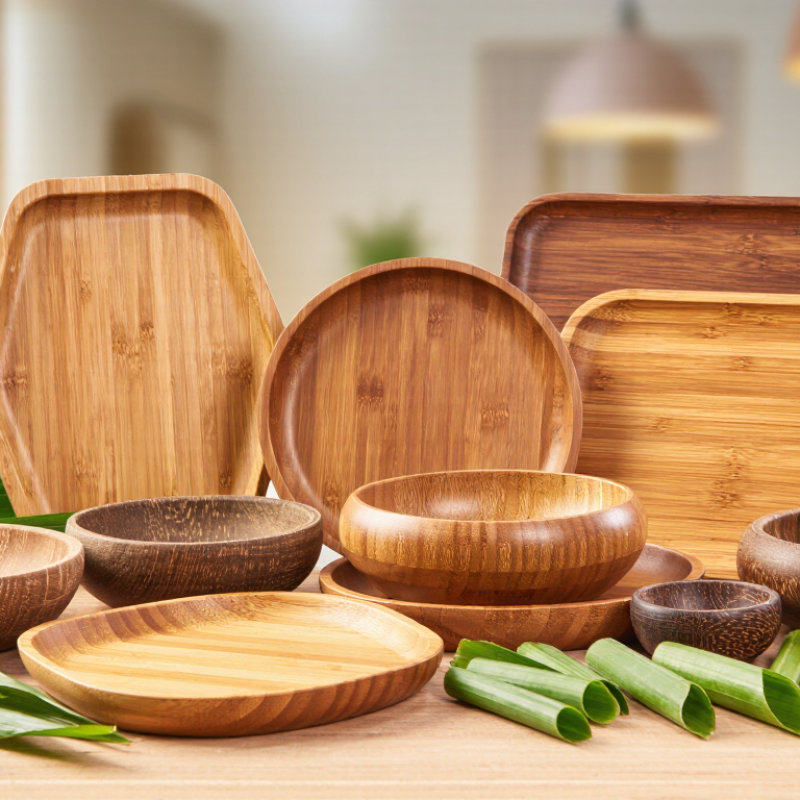
Why Choose Areca Leaf Sheath Tableware for Global Buyers?

What Areca Leaf Sheath Tableware Is and How It Is Made

Areca leaf sheath tableware is made from naturally shed sheaths surrounding areca palm leaves. These sheaths are collected after falling, then sorted, washed, and dried. Workers usually soften them with controlled heat before pressing them into plates, bowls, or trays. The process relies on the sheath’s natural structure, rather than plastic resin. Some producers may use water only, but buyers should verify additives and processing claims.

The material feels firm, lightly fibrous, and slightly uneven. That texture is part of its identity. Manufacturing is not perfectly uniform; sheath size and thickness vary by harvest. Trimming and quality inspection therefore matter. Moisture resistance is useful for ordinary meals, but very oily foods, long storage, or liquid-heavy dishes can expose weaknesses. It is biodegradable under suitable conditions, but not necessarily in every household compost bin.

The need for alternatives is measurable. The OECD’s Global Plastics Outlook reports 353 million tonnes of plastic waste in 2019, with packaging representing about 40% of that total. UNEP’s 2023 Turning off the Tap report states that global plastic pollution could fall by 80% by 2040 through reuse, recycling, and better material choices. Areca sheath tableware cannot solve this alone. It may still reduce reliance on conventional disposable plastics when sourcing, hygiene, packaging, and end-of-life conditions are checked carefully. That last step is often overlooked.

Key Environmental and Functional Properties of Areca Leaf Sheath Products

Why Choose Areca Leaf Sheath Tableware for Global Buyers?

Areca leaf sheath tableware uses naturally shed sheaths collected from areca palms. This approach can reduce reliance on virgin plastic and paperboard. The sheaths are cleaned, heat-pressed, and shaped without needing a tree-cutting process. Their warm brown surface shows natural fibers, small marks, and slight color variation. These details are evidence of plant origin, not manufacturing failure.

The material provides useful rigidity for plates, bowls, and serving trays. It can hold many hot foods without softening immediately. Its smooth pressed surface also supports practical handling during catering, travel, and outdoor events.

However, performance depends on thickness, forming pressure, and moisture exposure. Very watery foods may weaken some products over time. Testing matters.

Global buyers should request food-contact documentation, migration test results, and clear production specifications. Responsible suppliers should explain cleaning methods and packaging conditions. Buyers should also check whether local composting facilities accept molded leaf products. “Biodegradable” is not identical everywhere. Natural products are not automatically perfect. Seasonal supply can affect color, shape, and availability. A careful trial with hot soup, oily dishes, stacking, and transport vibration may reveal issues before large orders begin.

How Areca Leaf Sheath Tableware Compares with Common Alternatives

Why Choose Areca Leaf Sheath Tableware for Global Buyers?

Areca leaf sheath tableware offers a natural alternative to plastic and coated paper products. It is made from fallen sheaths, not cut timber. Each plate may show small color changes, veins, or gentle curves. These details can reassure buyers that the material is plant-based. Unlike plastic, it does not create a permanent-looking product after one meal. However, disposal results depend on local composting systems and collection practices. “Compostable” is not automatically composted.

Compared with paper plates, areca products usually feel firmer in the hand. They also resist warm food without adding a plastic lining. Bagasse can be lighter and more uniform, while areca sheath often has greater visual character. Bamboo tableware may provide higher rigidity, but it can require more processing. Reusable plastic remains convenient and cheap, yet it carries a longer waste burden. Areca is not perfect. Its natural variation can complicate stacking, printing, and strict appearance standards. Buyers should accept that trade-off.

Tips: Check food-contact documentation, moisture performance, and packing conditions before ordering. Ask for samples with oily, hot, and saucy foods. Confirm whether local facilities accept the product after use. Also review carton strength, because damp storage can weaken outer packaging. A clear inspection checklist prevents attractive samples from becoming expensive surprises.

What Global Buyers Should Check Before Placing an Order

Areca leaf sheath tableware can appeal to global buyers seeking a natural alternative to conventional disposable products. The material comes from fallen sheaths, not harvested leaves. Its warm brown surface often shows small color variations. That detail can make each plate feel less industrial.

Before placing an order, check how the sheaths are collected, cleaned, pressed, and stored. Ask for recent product samples, not only catalog photos. Inspect the rim, surface, odor, and moisture resistance. A plate may look strong but soften when holding soup for thirty minutes. Confirm exact dimensions, weight, nesting height, and allowable production variation. These details affect packing, restaurant use, and freight costs. Request food-contact test reports from qualified laboratories. Requirements differ between importing countries, so local verification remains necessary. Compostability claims also need careful wording. A product may break down in industrial facilities but not in a home compost bin. I would not approve a large order without testing the actual batch.

Tips: Ask for a written material specification. Check carton strength and inner protection. Confirm storage conditions before shipment. Keep one sealed sample for comparison. Small checks prevent expensive surprises. Still, suppliers can make mistakes, and buyers should record every agreed detail.

Applications, Certifications, Packaging, and International Sourcing Considerations

Areca leaf sheath tableware suits cafés, caterers, hotels, and outdoor events needing a natural-looking service option. Plates, bowls, and trays handle dry foods, rice dishes, snacks, and moderate heat. They are less suitable for very oily meals or long liquid storage. Performance depends on pressing temperature, thickness, and moisture control. That detail is often underestimated.

Certification should match the destination market. Buyers commonly request food-contact declarations, migration testing, heavy-metal screening, and microbial reports. European shipments may require compliance with Regulation (EC) No 1935/2004. US buyers often request evidence aligned with FDA food-contact requirements. Compostability claims need separate testing, such as EN 13432 or ASTM D6400. A certificate alone is not enough. Batch traceability and recent laboratory reports matter more. The OECD reported 353 million tonnes of plastic waste globally in 2019, with only 9% recycled. This strengthens demand for alternatives, but does not excuse vague environmental claims.

Packaging needs equal attention. Use strong export cartons, moisture-resistant inner liners, corner protection, and clear pallet labels. Humid containers can soften untreated products. International sourcing teams should check factory hygiene, production capacity, loading photos, inspection samples, and carton drop-test results. The UNEP report Turning off the Tap identifies reuse and material redesign as important waste-reduction measures. Areca sheath products can support that direction, though disposal systems vary widely. I would not promise universal composting. Buyers should verify local facilities, customs documents, lead times, and seasonal supply changes before signing a large order.

FAQS

What are areca leaf sheath products made from?

They use naturally shed sheaths collected from areca palms. The sheaths are cleaned, heat-pressed, and shaped.

Why do these products show color differences and small marks?

Natural fibers create warm brown tones, tiny marks, and uneven shades. These features show plant origin, not necessarily poor production.

Can this tableware hold hot food?

It can hold many hot foods without softening immediately. Performance depends on thickness, forming pressure, and moisture exposure.

Is it suitable for soup or watery food?

Some products may weaken after holding watery food for a long time. Test hot soup for thirty minutes before ordering large quantities.

What should buyers inspect in product samples?

Check the rim, surface, odor, rigidity, and moisture resistance. Also confirm dimensions, weight, nesting height, and production variation.

Which documents should global buyers request?

Request food-contact documentation and migration test results from qualified laboratories. Ask for written material specifications and recent production details.

Does biodegradable mean home-compostable?

No. Some products require industrial composting facilities. Local composting rules should be checked before making environmental claims.

How can buyers reduce shipping and storage problems?

Check carton strength, inner protection, and storage conditions before shipment. Keep one sealed sample for later comparison.

Should buyers test products before placing a large order?

Yes, test the actual batch with hot food, oily dishes, stacking, and transport vibration. Small checks help, but mistakes can still happen.

Conclusion

Areca Leaf Sheath Tableware is made from naturally fallen areca palm sheaths that are cleaned, heat-pressed into shape, dried, and finished without relying on plastic-based materials. This process transforms an agricultural by-product into plates, bowls, trays, and other practical food-service items. Its natural appearance, compostable potential under suitable conditions, lightweight structure, heat tolerance, and resistance to moderate moisture make it attractive to restaurants, caterers, retailers, and environmentally conscious consumers.

Compared with conventional plastic, foam, or paper products, areca leaf sheath tableware can offer a more natural presentation and help reduce dependence on fossil-based packaging, while buyers should still evaluate performance, consistency, and end-of-life claims carefully. Before ordering, global purchasers should confirm product specifications, food-contact documentation, testing reports, certifications, customization options, packaging strength, moisture protection, minimum order quantities, production capacity, lead times, and shipping arrangements. Careful supplier evaluation and clear international trade terms can help ensure reliable quality and smooth delivery.

Alexander

Alexander

Alexander is a dedicated marketing professional with extensive experience in product communication, content strategy, and customer-focused digital marketing. As a key member of our company, he combines strong market insight with a deep understanding of our products, services, and the needs of the......