Bagasse Series
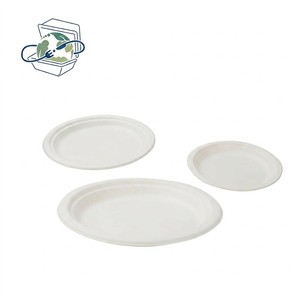
Sugarcane Bagasse Plates Disposable Compostable Biodegradable Eco-Friendly Dinnerware
- 100% Sugarcane Bagasse Fiber
- PFAS-Free Water/Oil Proof
- Oven Safe to 200°C / Microwave
100% Biodegradable, Home Compostable, and Microwave/Oven Safe Industrial Solutions
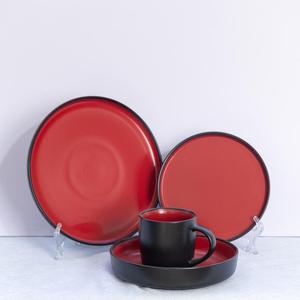
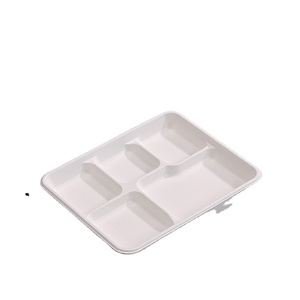
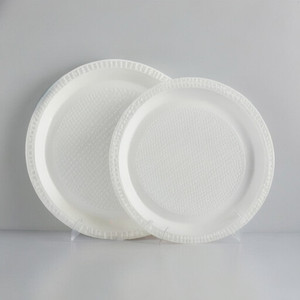
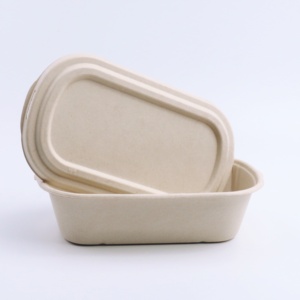
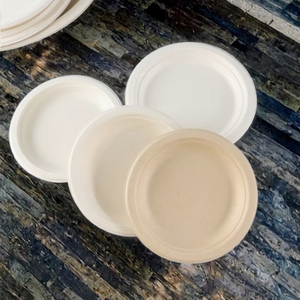
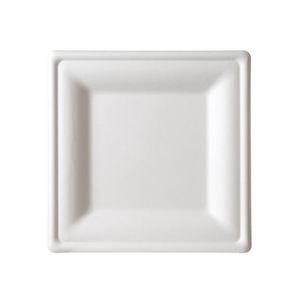
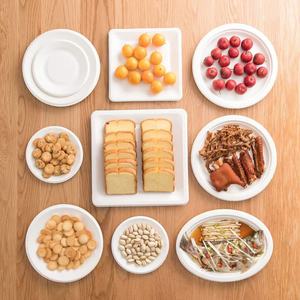
Combining Unrivaled Thermoforming Scale, Advanced Material Engineering, and Complete Regulatory Dossiers
Utilizing high-precision CNC hydraulic thermoforming presses operating at 200°C. Automated mechanical arms perform 100% edge trimming and optical defect sorting, guaranteeing zero burrs, consistent GSM weight, and wall uniformity across high-volume production lines.
In full compliance with U.S. State Bans (California AB 1200, Washington HB 1211) and EU REACH standards. We apply bio-based fluorine-free oil and water repellent formulas, providing hot oil resistance (95°C) and hot water resistance (100°C) without chemical migration.
End-to-end white-label capabilities covering custom plate embossing, retail inner shrink-wrapping with branded color insert cards, barcoding, shelf-ready display boxes (SRP), and FSC-certified heavy corrugated export master cartons.
Technical performance evaluation for B2B buyers, importers, and retail procurement managers.
| Material Category | Base Raw Material | Heat Resistance | Degradation Window | EU SUPD Status | PFAS-Free Status |
|---|---|---|---|---|---|
| Sugarcane Bagasse Pulp | 100% Upcycled Agricultural Fiber | -20°C to 200°C | 60–90 Days (Home/Industrial) | 100% Compliant | Certified 0% Fluorine |
| Modified Cornstarch (PSM) | Plant Starch + Bio-Polymer | -20°C to 120°C | 180 Days (Industrial) | Compliant (Non-Plastic) | Naturally PFAS-Free |
| PLA Coated Paperboard | FSC Kraft Paper + Polylactic Acid | -10°C to 85°C | 90–180 Days (Industrial Only) | Subject to Plastic Restrictions | Requires Specific Barrier |
| Bamboo Fiber Press | Fast-Growing Virgin Bamboo Pulp | -20°C to 180°C | 60–90 Days (Home Compost) | 100% Compliant | Certified 0% Fluorine |
Sugarcane bagasse represents the gold standard in green catering consumables. As a byproduct of the sugar refining industry, bagasse fiber requires zero additional agricultural land, pesticide input, or deforestation. During the pulping process, raw dry fibers are refined, hydrated, and interlocked under extreme pressure (up to 400 tons per clamp unit) and thermal curing (200°C).
The structural integrity of bagasse dinnerware stems from natural hydrogen bonding between cellulose micro-fibrils. Unlike traditional paper plates that collapse under grease or steam, bagasse exhibits high tensile modulus, preventing rim flexing under heavy protein loads. For modern catering operations, bagasse products offer seamless transitions from deep-freezer storage (-20°C) to microwave heating and conventional oven warming (up to 200°C for 20 minutes).
SEO Technical Note & Buyer Insight: When sourcing sugarcane bagasse dinnerware from Chinese exporters, verify that the factory utilizes closed-loop water recirculation systems during the pulping stage. Leading Chinese plants achieve up to 98% water recovery, drastically reducing environmental footprint while retaining natural fiber density.
The B2B procurement ecosystem for single-use partyware is undergoing its most radical transformation in five decades. Driven by aggressive international legislation and consumer sentiment shift toward circular economy principles, importers must align with factories capable of navigating high-barrier regulatory markets.
European importers face strict bans on traditional expanded polystyrene (EPS), oxo-degradable plastics, and conventional PE-laminated paperware. Under updated PPWR guidelines, all disposable partyware sold in the EU must be easily recyclable or fully compostable by 2030. Chinese eco-partyware exporters have led this transition by replacing plastic linings with aqueous dispersions and certified bio-resins that pass EN 13432 industrial composting standards without leaving toxic residues or microplastics.
Historically, oil and water resistance in molded fiber dinnerware relied on fluorinated surfactants (C6 and C8 chemistry). Today, stringent bans across North America (such as California's AB 1200) and European safety agencies demand absolute 0% total fluorine content (<10ppm organic fluorine limit). Leading Chinese manufacturers have engineered proprietary fluorine-free oil proofing additives derived from plant waxes, natural proteins, and modified siloxanes, securing compliance without sacrificing liquid barrier performance.
Major retail buyers in Germany, France, and North America are now calculatedly auditing the Scope 1, 2, and 3 carbon emissions of their overseas vendors. Top Chinese eco partyware factories are responding by installing rooftop solar photovoltaic arrays (generating up to 45% of total plant energy requirements), deploying biomass-fueled drying tunnels, and providing verified Carbon Footprint Assessments (CFA) for every container shipment.
Shipping lightweight disposable partyware long distances requires maximum cube utilization. Modern Chinese export packaging utilizes automated high-density nesting techniques, increasing piece counts per 40ft High Cube container by 18-25% compared to legacy packing methods. This drastically cuts per-unit sea freight tariffs.
Eco-partyware has expanded from utilitarian white picnic plates into premium hospitality aesthetic ranges. Unbleached natural brown bagasse, geometric square and rectangular shapes, compartmentalized meal prep trays, and custom logo rim-embossing allow party supply brands to command high retail margins.
A look inside the 6-stage Quality Assurance (QA) gate system used by premier export plants.
Testing incoming sugarcane bagasse and cornstarch pulp for moisture percentage, fiber length distribution, ash content, and biological purity prior to pulping blending tanks.
Real-time digital sensors continuously track mould temperature (200°C ± 2°C) and hydraulic pressing force to prevent under-curing, warping, or density variation across plate batches.
Random sample testing from each shift: 4-hour hot oil (95°C) immersion, 24-hour water boiling test, edge flexural strength measurement, and microwave power cycle endurance.
High-speed optical camera inspection systems scan 100% of finished items on the conveyor for spot discolouration, edge chipping, foreign particles, or micro-pinholes before packing.
Prior to sealed shrink packaging, all tableware pieces pass through high-intensity UV-C sterilization tunnels to ensure zero microbiological contamination, achieving medical-grade cleanliness.
Issuance of complete lot-traceability dossiers containing LFGB, FDA, BPI, OK Compost, and ISO audit records attached directly to master export shipping bills.
Essential guidance on minimum order quantities, compliance, OEM customization, and export logistics.
Our standard Minimum Order Quantity for full container load (FCL) direct factory pricing is one 40-foot High Cube (40'HC) container, which typically holds between 300,000 to 450,000 pieces depending on item size and nesting configuration. We fully support mixed-SKU container consolidation, allowing buyers to combine round plates, square plates, compartment trays, and bowls in a single shipment at no additional handling fee.
Leading Chinese exporters utilize accredited third-party testing laboratories (such as SGS, TÜV Rheinland, and Intertek) to verify total fluorine content below strict limits (<10ppm organic fluorine). We utilize proprietary bio-based, fluorine-free oil and water repellent barrier agents integrated directly into the pulp slurry during thermoforming. Full test dossiers including EN 13432, BPI, LFGB §30/§31, and FDA food-contact declarations are supplied with every order.
Standard lead times for catalog items are 10 to 15 calendar days from deposit receipt to container loading at primary Chinese export hubs (such as Ningbo, Shanghai, or Shenzhen ports). Custom OEM orders requiring new tooling or custom embossing molds take approximately 20 to 25 days, which includes mold design prototyping, sample approval, and full mass production runs.
Yes. High-density sugarcane bagasse dinnerware is structurally stable from -20°C up to 200°C (-4°F to 392°F). It is fully microwave-safe and conventional oven-safe for reheating food. Unlike plastic or low-grade paper plates, bagasse will not melt, deform, release chemical fumes, or leach toxic compounds when exposed to boiling water or hot food oils.
We offer complete retail packaging customization. Options include: clear polybags with branded header cards, 100% biodegradable PLA shrink wrap with printed color insert labels, retail inner display boxes (RRP/SRP), barcodes (EAN/UPC), and custom-printed master shipping cartons certified to ISTA transit standards.
While sugarcane bagasse plates historically carried a premium over conventional petroleum plastics, rapid manufacturing scale in China, coupled with rising global plastic taxes, single-use plastic bans, and EPR fees, has brought cost parity to high-volume container orders. Bagasse dinnerware eliminates compliance risk and protects brand reputation against plastic reduction mandates.
Request full product specifications, instant container loading calculations, wholesale pricing tiers, and complete certification dossiers from our engineering sales team.
Get Catalog