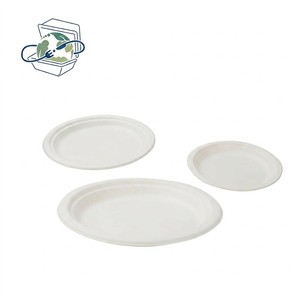
High-density molded pulp, virgin sugarcane bagasse, bio-based cornstarch, and heat-pressed areca sheath solutions engineered for high-volume B2B buyers and international packaging distributors.
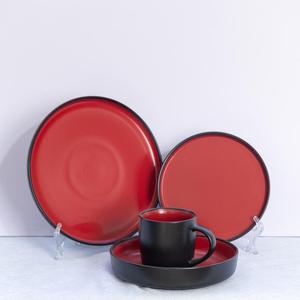
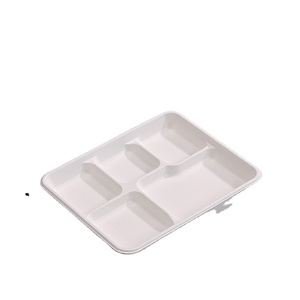
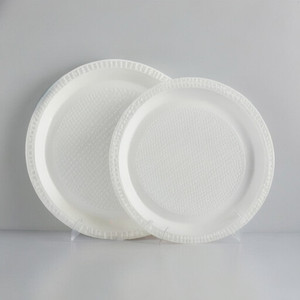
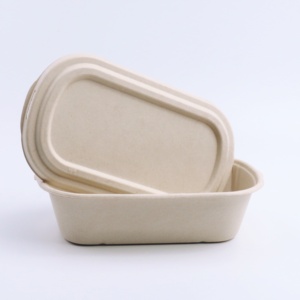
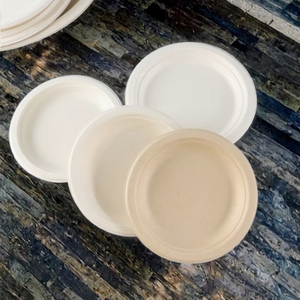
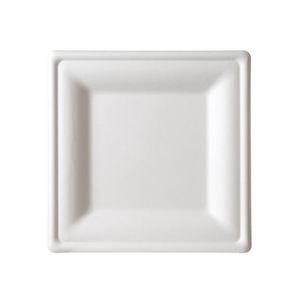
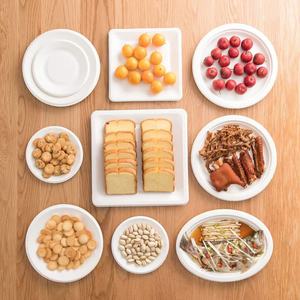
Choosing the correct raw substrate determines structural integrity, thermal tolerance, import tariff classifications, and regulatory compliance under the EU Single-Use Plastics Directive (SUPD) and US FDA guidelines.
| Performance Vector | Sugarcane Bagasse Pulp | Areca Palm Sheath | Cornstarch Composite (PSM) | Conventional Polystyrene (PS) |
|---|---|---|---|---|
| Raw Material Origin | Agricultural Upcycled Biomass | Naturally Fallen Leaf Sheath | Fermented Plant Starch Blends | Petroleum Polymer Derivative |
| Thermal Range | -20°C to 200°C | -20°C to 220°C | -10°C to 120°C | Deforms above 85°C |
| Tensile Strength & Flexural Rigidity | High (Fiber-Interlocked) | Ultra-High (Natural Grain) | Medium-High | Brittle under High Shear |
| PFAS & Fluorochemical Compliance | 100% PFAS-Free Certified | Zero Additives / Natural | PFAS-Free Compliant | Contains Microplastics/Styrene |
| Biodegradation Kinetics | 60–90 Days (Industrial Compost) | 90–120 Days (Home Compost) | 180 Days (Industrial Facilities) | Non-Biodegradable (>500 Yrs) |
| EU SUPD Tax Status | Exempt (Plastic-Free Material) | Exempt (100% Natural Organic) | Subject to Regional Assessment | Banned / Heavy Eco-Tax Penalty |
As global environmental policies tighten and commercial buyers pivot toward verified net-zero supply chains, OEM manufacturing standards are undergoing rapid technological evolution.
Global food contact regulations (such as California AB 1200, Washington HB 1054, and EU REACH updates) have made PFAS-free formulations mandatory. Modern factories utilize bio-wax nano-coatings and enzymatic fiber refining to achieve oil and water repellency without fluorochemical additives.
Traditional wet-molding is rapidly shifting toward CNC automated thermoforming presses operating at 200°C with automated optical inspection (AOI). This ensures sub-millimeter rim dimensional stability, eliminating vacuum leaks during automated commercial tray-sealing lines.
To meet Scope 3 corporate carbon reduction targets, tier-1 packaging exporters are transitioning production equipment to rooftop solar photovoltaic arrays. Facilities powered by renewable energy provide verifiable carbon offsets for multinational enterprise buyers.
B2B importers increasingly require retail-ready shelf units, including multi-lingual shrink wrap sleeves, GS1-compliant barcoding, and custom debossed logos molded directly into the plate base during the primary heat-pressing process.
Sourcing naturally fallen agricultural residues—such as sugar bagasse and areca palm sheath—eliminates land-use competition with food crops. This zero-deforestation model guarantees compliance with the EU Deforestation Regulation (EUDR).
From raw fiber collection to final container sealing, our automated 8-stage manufacturing architecture maintains strict ISO 9001 and ISO 14001 quality assurance standards across all 90 production units.
Operating as an integrated manufacturer and exporter (headquartered in Manjeshwar, Kerala with primary production in Bhadravathi, Shivamogga, Karnataka), we eliminate trading house markups while supplying full container load (FCL) reliability.
Our installed base of 90 solar-powered production units delivers 4.5 million finished tableware units per month. For annual enterprise supply agreements, capacity scales to 9 million units per month within 75 days via pre-configured shift expansions.
Orders move from deposit confirmation to container loading at New Mangalore Port (FOB) in 10 business days. Supply contracts include a buyer-protective 1%-per-day delay penalty clause to assure rigid timeline execution.
Every product line holds certified compliance documentation, including ISO 9001:2015, ISO 14001:2015 (TÜV India), amfori BSCI social audit clearance, LFGB §30/§31 for EU food contact safety, USDA BioPreferred certification, and EN 13432 compostability reports.
We maintain exclusive long-term supply partnerships with approximately 810 farming families covering 2,000 hectares of certified organic agricultural land, supported by a 7-year developmental program with the Central Plantation Crops Research Institute (CPCRI / ICAR).
Clear, documented answers regarding container volumes, custom tooling, food safety certifications, and international shipping logistics.