High-rigidity, oil-proof, microwave-safe, and 100% natural biodegradable solutions tailored for food service packaging, retail brands, and commercial catering.
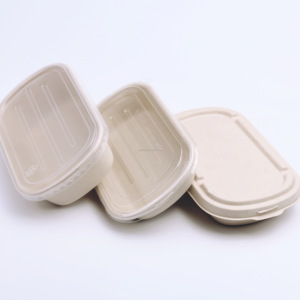
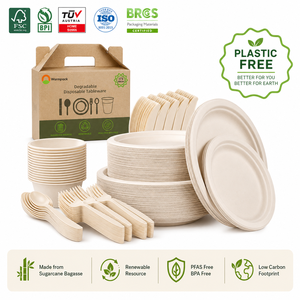
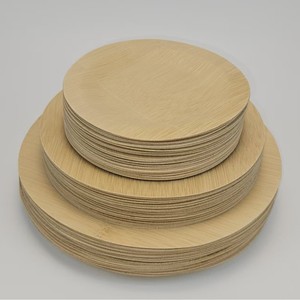
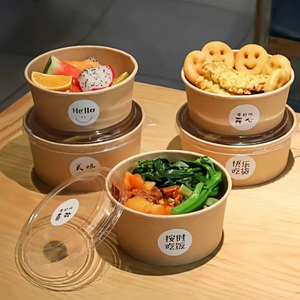
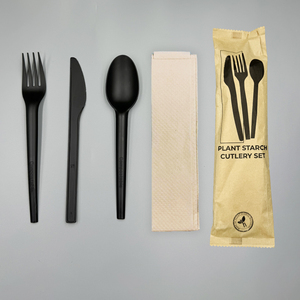
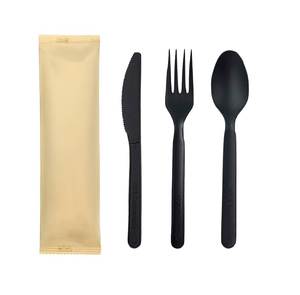
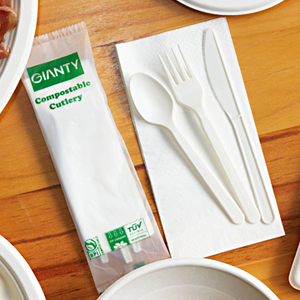
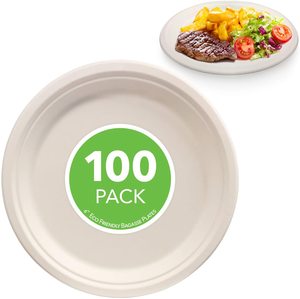
As global regulations tighten around single-use traditional plastics, commercial importers, catering distributors, airline procurement offices, and FMCG brand owners require manufacturing partners who offer more than superficial eco-claims. Our eco-friendly production matrix operates as an enterprise-grade OEM/ODM manufacturer specializing in fully compostable bio-based dinnerware and packaging. Operating out of advanced solar-powered facilities equipped with 90 automated high-pressure CNC hydraulic moulding units, we maintain a baseline monthly capacity of 4.5 million finished units, with documented scalability to 9 million units within 75 days to accommodate seasonal surges.
Our OEM/ODM engineering workflow bridges raw agricultural waste processing (sugarcane bagasse, wheat straw, bamboo pulp, and naturally fallen Areca palm sheaths) with precision thermoforming chemistry. Unlike basic trading intermediaries, we execute end-to-end quality control across eight distinct stages: raw material hydro-pressure decontamination, fiber refinement, 200°C thermal compression moulding, 24-hour moisture stabilization, high-intensity inline UV sterilization, and automated optical sorting for zero-defect carton packaging.
Rapid prototyping of specialized shapes, compartment configurations, logo embossing, and precise depth profiles within 14 business days.
Proprietary plant-derived nanocellulose and aqueous barrier coatings providing 100°C water resistance and 120°C hot oil containment without fluorinated chemicals.
Direct loading at deep-water container terminals with 10-day guaranteed loading times backed by contractually enforced SLA penalty guarantees.
Selecting the optimal bio-material matrix depends heavily on the target application: quick-service restaurants (QSR), airline meals, hot food delivery, or frozen storage. Below is a comprehensive engineering comparison of our core OEM raw materials:
| Material Category | Thermal Range | Tensile / Flexural Strength | Commercial Compostability | Best Fit Applications |
|---|---|---|---|---|
| Sugarcane Bagasse Fiber | -20°C to +140°C | High Structural Rigidity (35-45 MPa) | 90 Days (EN 13432 / BPI) | Takeout Containers, Bowls, Clamshells, Hinged Boxes |
| CPLA (Crystallized PLA) | -10°C to +85°C | Extreme Tensile Hardness (>50 MPa) | 180 Days (Industrial Plant) | Heavy-duty Cutlery (Knives, Forks, Spoons), Lids |
| Areca Palm Sheath | -25°C to +200°C | Ultra Natural Fiber Density | 60-90 Days (Home & Industrial) | Premium Catering Plates, Compartment Thali Trays |
| Bamboo Pulp Fiber | -18°C to +120°C | Superior Tear & Puncture Resistance | 90 Days (EN 13432) | Gourmet Dinnerware, Unbleached Premium Bowls |
| Cornstarch Bio-Resin (PSM) | -20°C to +90°C | Flexible Elastomeric Memory | Soil Biodegradable Variant | Wrapped Camping Sets, Cutlery Kits, Produce Trays |
* Note: All raw material formulations comply with European EU 1935/2004, German LFGB §30/§31 parameters, and US FDA 21 CFR food-contact standards.
The global eco-friendly tableware market is transitioning from voluntary corporate social responsibility (CSR) initiatives to strict regulatory mandates. Procurement managers, commercial importers, and enterprise purchasing agents must align their supply chains with three critical shifts currently reshaping the global market:
1. Strict Enforcement of Total PFAS Elimination Protocols: Historically, fluoro-chemical treatments were used to achieve oil barrier properties in molded pulp products. European Commission regulations and state-level US legislation (e.g., California AB 1200, New York Hazardous Packaging Law) now prohibit intentionally added per- and polyfluoroalkyl substances (PFAS). Our manufacturing facility utilizes next-generation fluorine-free bio-resins and mechanically engineered high-density fiber compression to ensure 100% compliance with zero-PFAS mandates.
2. Adoption of Life-Cycle Assessment (LCA) Carbon Tracking: Global buyers now evaluate suppliers based on Scope 1, 2, and 3 emissions. By powering our primary pulp refining and hot-pressing infrastructure via grid-tied rooftop solar photovoltaic arrays, our manufacturing facility yields a carbon footprint 64% lower than traditional coal-powered Asian manufacturing bases. Furthermore, our raw materials rely entirely on agricultural byproducts, eliminating land-use diversion concerns.
3. Demand for Turnkey Private Label Customization: Brand owners are steering away from generic commodity shapes. The trend leans heavily toward unique geometric contours, custom multi-compartment layouts for balanced nutrition meal-kits, and direct laser-engraved or embossed brand logos. Our OEM service includes dedicated engineering support for proprietary mold development, complete retail packaging artwork generation, retail shelf barcode integration, and multi-lingual compliance labeling.
Engineering biodegradable tableware capable of containing hot liquids, high-viscosity gravies, and acidic sauces over extended durations requires sophisticated barrier science. Our research and development team focuses on three key areas of structural packaging innovation:
Applying ultra-thin PLA or PHA aqueous linings onto sugarcane and kraft paper bowls to provide 100% steam barrier performance without compromising industrial compostability.
Integrating engineered structural ribs into plate perimeters and container sidewalls, boosting flexural load strength by 38% while using 12% less material mass.
Refining polylactic acid thermal annealing to increase melting points above 85°C, ensuring heavy-duty CPLA forks and knives maintain structural integrity in boiling soups.
Looking for reliable full-container eco-friendly tableware supply, custom mold engineering, or private-label distribution? Contact our global trade desk today for custom quote calculations, container loading plans, and product sample kits.
Contact Us