Precision-molded, food-grade certified, biodegradable, and customized solutions engineered for global commercial distribution.
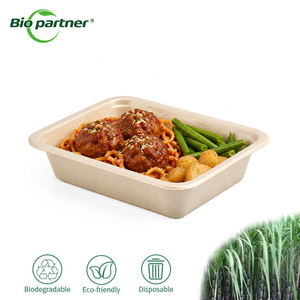
Why leading global brands, supermarket chains, and catering distributors partner with our eco-tray manufacturing network.
Custom OEM mold development utilizing 3D CAD modeling and automated CNC hydraulic presses operating at 200°C. We achieve wall thickness tolerances down to ±0.15mm for flawless denesting on high-speed automated packaging lines.
Our sugarcane bagasse, bamboo fiber, and naturally shed Areca sheath substrates utilize pure thermo-mechanical bonding. No synthetic glues, resin binders, fluorinated PFAS additives, or plastic laminates are added during wet molding.
Complete certification dossiers including LFGB §30/§31 (German Food Code), EU Regulation 1935/2004, USDA BioPreferred, amfori BSCI social audit, ISO 9001:2015, ISO 14001:2015, and EN 13432 compostability standard passes.
As single-use plastic bans (such as the EU SUP Directive 2019/904 and North American PFAS restrictions) take full effect, global enterprise buyers are re-evaluating their disposable food packaging supply chains. Traditional expanded polystyrene (EPS) trays and C-PET plastic meal containers are rapidly being replaced by bio-based fiber molded alternatives. However, navigating the OEM/ODM eco tray manufacturing landscape requires a deep understanding of material rheology, thermal limits, barrier chemistry, and automated line efficiency.
Information Gain Insight: Selecting the right eco tray is no longer just about compostability claims; it is about mechanical stack strength, rim seal integrity for MAP (Modified Atmosphere Packaging), oil barrier durability without fluorochemicals (PFAS), and denesting reliability in automated filling facilities.
B2B procurement teams must match product specifications to specific food delivery applications. Below is an engineering evaluation of the dominant eco-tray fiber materials manufactured across our ODM lines:
| Material Type | Thermal Tolerance | Moisture & Grease Barrier | Compostability Standard | Primary Commercial Use |
|---|---|---|---|---|
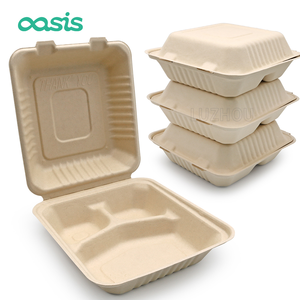
| Thermoformed Sugarcane Bagasse | -20°C to +200°C (Microwave & Oven Safe) | Aqueous Bio-Wax or Bio-Resin Coating | EN 13432 / ASTM D6400 (Commercial 90 Days) | Fast Food, Meal Prep, Institutional School Trays |
| Heat-Pressed Areca Palm Sheath | -18°C to +220°C (High Heat Heavy Duty) | Natural Sheath Wax (Zero Added Chemicals) | Home & Industrial Compost (100% Organic) | Catering, Artisan Platters, Premium Outdoor Dining |
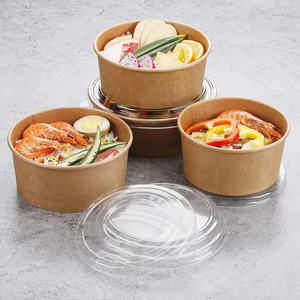
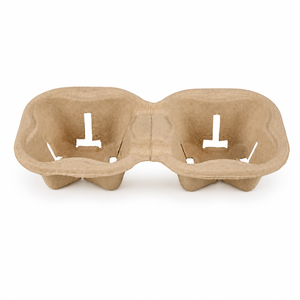
| Virgin Kraft Paperboard | -10°C to +100°C | Water-based Barrier / Heat-Seal Lamination | Recyclable in Standard Paper Stream | Noodle Boxes, Bakery Trays, Cup Carrier Trays |
| Bamboo Pulp Molded Fiber | -20°C to +180°C | High-Density Fiber Mechanical Interlock | EN 13432 Certified Biodegradable | Heavy Sauce Meals, Meat & Produce Trays |
Historically, molded pulp food trays relied on long-chain per- and polyfluoroalkyl substances (PFAS) to prevent hot oil and liquid migration. Modern global compliance standards mandate PFAS-free alternatives. Our factory network utilizes proprietary Aqueous Dispersion Coatings (ADC) and bio-derived lipid barriers applied during the thermoforming stage. This engineering advance ensures that our bagasse and pulp trays hold 95°C hot water and 120°C cooking oil for over 45 minutes without structural softening or leakage.
Transitioning a custom container concept from initial CAD drawing to mass production demands high control over pulp consistency, mold shrinkage factors, and drying dynamics. Molded fiber contracts during the 200°C hot-pressing phase; precise shrinkage compensation (typically 1.8% to 2.2% depending on pulp mesh mix) must be calculated during the tooling design stage.
Virgin agricultural residues (bagasse/bamboo) are blended with recycled water in high-consistency hydrapulpers to achieve a 0.8% fiber slurry ratio.
CNC wire-mesh forming molds submerge into slurry; vacuum suction draws fiber onto mesh forming a dense wet preform tray.
Wet preforms are transferred to heated hydraulic presses operating under 150-200 tons of force to dry, compact, and set final geometry.
Multi-axis automated die-cutters trim perimeter flash, punch seal rims, and clean compartment edges for burr-free stackability.
Quality Assurance SLA: Every shipment undergoes automated optical inspection (AOI) for pinhole defects, followed by 25kGy UV-C inline sterilization. Destructive drop testing and moisture meter readings (maintained below 8% RH) ensure long-distance ocean transit stability.
As enterprise buyers align procurement with Scope 3 carbon reduction targets, the eco tray sector is undergoing major technological shifts:
1. MAP (Modified Atmosphere Packaging) Bagasse Integration: Supermarkets are moving away from traditional plastic meat trays toward top-sealable bio-laminated pulp trays. By applying a micro-thin (15 micron) barrier film onto a pulp structural base, fresh proteins achieve 14+ days shelf life while reducing plastic content by 85%.
2. Solar-Powered Clean Production: Scope 3 carbon footprint verification requires auditing factory energy sources. Our primary production hub features 90 decentralized solar photovoltaic units, offsetting over 3,200 metric tons of CO2 annually. Buyers receive verified Carbon Intensity (CI) data per thousand units packed.
3. Smart De-nesting Geometry: High-speed catering lines require automated tray dispensers. Modern ODM design optimizes tray draft angles (typically 7° to 9°) and adds anti-jam corner ribs, ensuring automated line denesting efficiency exceeds 99.8%.
Clear, direct answers regarding minimum order quantities, lead times, custom branding, and import certifications.
For standard catalog items (bagasse, kraft, or palm leaf trays), our standard MOQ is one 40-foot High-Cube (40ft HC) container floor-loaded (approx. 67 m³, holding 300,000 to 350,000 pieces depending on SKU geometry). We allow mixed SKU configurations within a single container at no additional charge. For custom-tooled ODM shapes, initial tooling MOQs start at 500,000 units with mold cost amortization schedules available.
Once artwork and order specifications are confirmed, container loading at port (FOB New Mangalore or equivalent primary port) is executed within 10 calendar days. Standard enterprise supply agreements include a 1%-per-day late loading penalty clause in favor of the buyer, reinforcing our operational commitment to strict supply chain timelines.
Yes. All production batches are certified compliant with LFGB §30 & §31 (German standard), EU Regulation 1935/2004, and US FDA 21 CFR 176.170. Products are independently tested by TÜV and Intertek to verify zero presence of fluorinated compounds (PFAS/PFOS/PFOA), heavy metals, or plasticizers. Complete test dossiers are supplied prior to shipment for seamless customs clearance.
Absolutely. We provide comprehensive OEM private label services for 32 active global brands across 19 export destinations. Scope includes custom shrink-wrapping, retail inner-box printing, EAN-13/UPC barcode integration, custom outer master carton branding, and multilingual compliance labeling.
Sugarcane bagasse trays are thermoformed under high pressure, resulting in a seamless, rigid 3D vessel ideal for hot liquids, gravies, and greasy meals up to 200°C. Kraft paperboard trays are folded from flat sheets; while highly cost-effective and recyclable for drier items (burgers, fried snacks, dry noodles), they rely on corner folds and require specialized coatings for liquid retention.
Get direct factory pricing, technical compliance dossiers, and automated container loading plans tailored for your market.