The global foodservice packaging and disposable tableware market is undergoing a structural paradigm shift driven by stringent legal mandates, such as the EU Single-Use Plastics (SUP) Directive Directive 2019/904, enforcement of zero-PFAS (per- and polyfluoroalkyl substances) rules across 11 U.S. states, and corporate ESG commitments. As global buyers migrate away from expanded polystyrene (EPS) and single-use plastics, selecting a reliable direct manufacturer equipped with high-precision hydraulic tooling, certified compostability parameters, and resilient raw material supply chains has become a paramount operational goal.
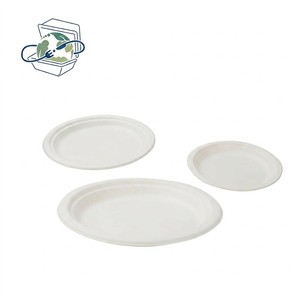
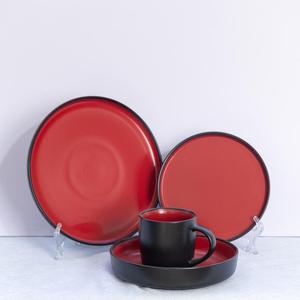
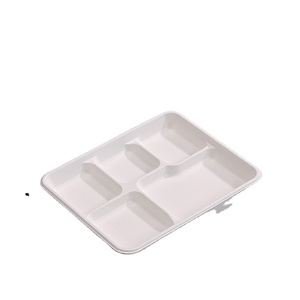
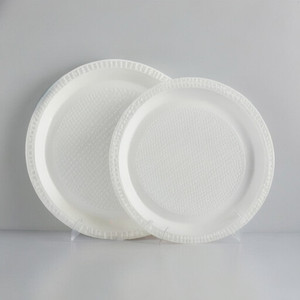
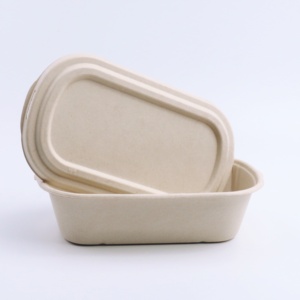
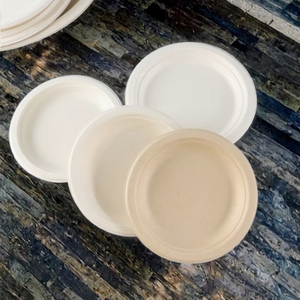
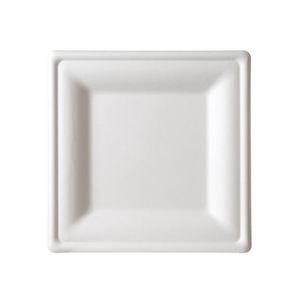
Below is our curated commercial-grade product portfolio engineered from agricultural plant fibers including sugarcane bagasse pulp, non-GMO cornstarch polymers, and naturally shed areca palm sheaths. Each product is manufactured under ISO 9001 quality management and verified food-safe under LFGB §30/§31 and US FDA guidelines.
To assist procurement directors, retail chain buyer managers, and commercial packaging distributors in navigating the complex vendor landscape, our research desk has evaluated the top 10 global manufacturing entities based on five Core Competency Indicators (CCI): Production Scalability, PFAS-Free Coating Tech, International Certification Density, Raw Material Supply Chain Security, and Container Lead Time.
| Rank & Manufacturer Name | Primary Fiber / Substrate | Monthly Output | Compliance Certifications | Key Market Advantage |
|---|---|---|---|---|
| 1. Ecodyne Tableware (Conservia) | Areca Palm Leaf & Bagasse | 4.5M Units | LFGB, ISO 9001/14001, USDA | Solar powered; 10-day FCL dispatch; 0% chemicals |
| 2. Huhtamaki Oyj | Molded Fiber / Paper Board | 50M+ Units | BRCGS, FSC, ISO 22000 | Global footprint; high automation for retail packs |
| 3. Dart Container Corporation | Paper & Bio-Resins (CPLA) | 40M+ Units | SQF Level 3, FDA Compliant | Extensive North American distribution network |
| 4. Eco-Products (Novolex) | Sugarcane & PLA Biopolymers | 30M+ Units | BPI Certified, ASTM D6400 | Strong foodservice brand equity in North America |
| 5. Vegware (Part of BioPak) | Plant-Based Fiber & CPLA | 25M+ Units | EN 13432, OK Compost Home | Circular closed-loop waste recovery systems |
| 6. Sabert Corporation | Pulp molded & Recycled PET | 35M+ Units | ISO 9001, BRCGS Food Safety | Dual-ovenable thermoformed fiber technology |
| 7. Zume Fiber Engineering | Molded Fiber (Wheat/Bagasse) | 15M+ Units | PFAS-Free Certified, EN 13432 | Advanced robotic mold manufacturing cells |
| 8. Pactiv Evergreen Inc. | Molded Fiber & Paperboard | 45M+ Units | FSC, SFI Certified, FDA | High-volume institutional supply capabilities |
| 9. Genpak LLC | Bio-Laminated Pulp & Paper | 20M+ Units | SQF Certified, USDA Biobased | Rigid structural integrity for hot-fill meals |
| 10. Detmold Group (Detpak) | Bagasse & Forest-FSC Fiber | 18M+ Units | PEFC, HACCP, ISO 14001 | Strong Asia-Pacific and Australasia logistics |
The eco-disposable tableware industry is transitioning from simple paperboard substitution to advanced bio-composite and agricultural residue engineering. Procurement officers must evaluate suppliers based on raw material refining techniques, thermal mold speeds, and environmental breakdown profiles:
Bagasse is the fibrous residue remaining after sugarcane stalk crushing. Advanced mechanical pulping and depithing remove residual sugars, leaving high-density cellulose fibers. Hydraulic pressing at 200°C creates rigid, grease-resistant plates capable of holding hot liquids up to 100°C without deformation.
Utilizing 100% naturally fallen sheaths from the Areca catechu palm tree, this zero-chemical process cleans, soaks, and heat-presses natural leaf sheaths into rigid dinnerware. Each piece exhibits unique natural wood-grain aesthetics, offers complete microwave and oven safety (up to 200°C for 45 mins), and breaks down in home compost within 60 to 90 days.
Cornstarch biopolymers blend fermented plant starch with polybutylene adipate terephthalate (PBAT) or crystallized PLA (CPLA) to construct cutlery and translucent or smooth round containers. Modern formulations eliminate petroleum resins entirely while maintaining high tensile strength and flexural modulus under cold and ambient conditions.
Global supply chain leaders can no longer rely purely on unit cost comparisons. Future-proof procurement strategies integrate total environmental compliance, tariff resilience, non-toxic chemical guarantees, and high container cube utilization efficiency.
Regulatory agencies in Europe and North America have outlawed long-chain and short-chain perfluoroalkyl chemicals traditionally used for water/oil repellency in paper packaging. Top-tier factories now employ bio-based barrier additives derived from starches, acrylic emulsions, or natural waxes that guarantee zero fluorine content under EN 14582 oxygen bomb digestion testing.
Industrial composting infrastructure remains uneven across regional markets. Retail chains are prioritizing items certified under NF T 51-800 or TÜV Austria OK Compost HOME standards, ensuring that disposed dinnerware disintegrates in backyard compost setups within 12 to 16 weeks without releasing heavy metals or toxic residue.
Scope 3 carbon reporting requires buyers to account for embodied energy in imported goods. Facilities equipped with rooftop solar photovoltaic arrays (such as Ecodyne’s 90-unit distributed solar model) offer measurable carbon offset advantages, lowering the global warming potential (GWP) per 1,000 finished plates.
Ecodyne Tableware (a brand of Conservia Partners) operates as a primary direct manufacturer-exporter headquartered in Manjeshwar, Kerala, with automated solar-powered production facilities in Bhadravathi, Shivamogga district, Karnataka—the heartland of India’s raw areca palm sheaths.
Unlike export brokers or trading aggregators, every full container load (FCL) shipped under our client’s private brand is pressed in our own CNC hydraulic molds, hydro-pressure washed in our cleanrooms, and subjected to 100% hand inspection with a strict 15–17% material rejection threshold.
Raw sheath security is backed by an exclusive 7-year partnership with ~810 farming families covering 2,000 hectares of certified organic areca palm cultivation, alongside 4,500 hectares undergoing active organic transition, guided by ICAR-Central Plantation Crops Research Institute (CPCRI) guidelines.
Standard wholesale contracts incorporate a 1%-per-day late dispatch penalty written directly in favor of the buyer. Shipments route FOB via New Mangalore Port (NMP), reaching major European ports in 18-24 days and North American West Coast ports in 22-28 days.
Consult with our lead packaging engineers to receive customized FOB container pricing, mold CAD drawings, structural load test data, and full laboratory compliance packs (LFGB, ISO 9001/14001, USDA BioPreferred).
Clear answers to essential technical, regulatory, and logistics queries raised by corporate purchasing directors and wholesale importers:
Our standard minimum order volume is one 40-foot High Cube (40ft HC) container. Floor-loaded, a 40ft HC container accommodates approximately 67 m³, equivalent to 300,000 to 350,000 finished tableware pieces depending on the SKU blend. We accept mixed SKU loading (e.g., combining round plates, square plates, bowls, and compartment trays) within a single container at no additional handling fee.
Yes. All products manufactured in our certified plants are 100% free of added per- and polyfluoroalkyl substances (PFAS). Our sugarcane bagasse pulp products utilize advanced bio-wax and starch-based oil/water barriers. Our areca palm leaf plates contain zero synthetic additives, waxes, glues, or chemical coatings—pressed purely with natural heat (200°C) and hydraulic pressure.
Our tableware portfolios are audited and compliant under key global standards: Germany’s LFGB §30 and §31 (TÜV tested), EU Regulation 1935/2004 framework, US FDA 21 CFR food contact parameters, USDA BioPreferred 100% bio-based designation, ISO 9001:2015 Quality Systems, ISO 14001:2015 Environmental Management, amfori BSCI Social Accountability, and European EN 13432 industrial compostability standard with a verified PASS result.
Due to the dense lignocellulosic matrix of the naturally dried areca sheath, palm leaf tableware exhibits exceptional thermal stability. It is safe for microwave heating up to 2 minutes at 800W and conventional baking oven use at up to 200°C (392°F) for up to 45 minutes without warping, scorching, or emitting volatile organic compounds. They are also deep-freezer safe down to -18°C.
Yes. We currently produce custom private label (OEM) tableware for 32 white-label brand owners across 19 export destinations. Our OEM capabilities cover retail shrink-wrapping, barcoded shelf cartons, multilingual compliance printings, and custom CNC aluminum mold development for proprietary plate shapes or multi-compartment trays within a 4-to-6 week tooling lead time.
Our standard manufacturing lead time is 10 business days from purchase order confirmation to container loading at New Mangalore Port (FOB NMP, India). Standard customer contracts include a guaranteed 1%-per-day late dispatch penalty clause in the buyer’s favor. Ocean transit times average 18 to 25 days depending on the destination port in Europe, North America, or Australia.
Moisture control is paramount for bio-fiber packaging. Post-pressing, our products undergo a controlled 24-hour thermal drying phase at 60°C to lock internal moisture content below 8%. Every batch passes through inline high-intensity UV-C disinfection tunnels immediately prior to vacuum sealing in moisture-barrier film containing food-grade desiccant packs.
Qualified commercial buyers, chain procurement directors, and distributors can request comprehensive sample evaluation boxes containing our full spectrum of sugarcane bagasse, cornstarch, and areca palm leaf plates, bowls, and compartment trays. Simply click the inquiry button below to submit your corporate address and target specifications to our export desk.
Partner directly with India’s leading solar-powered disposable tableware manufacturer. Receive custom container load quotes within 4 business hours.