Certified 100% Biodegradable, PFAS-Free, Heavy-Duty Foodservice Packaging Engineering
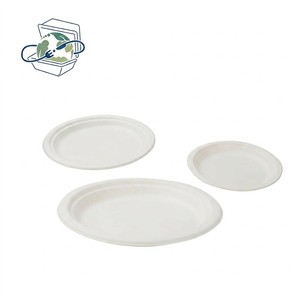
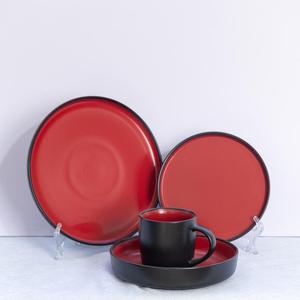
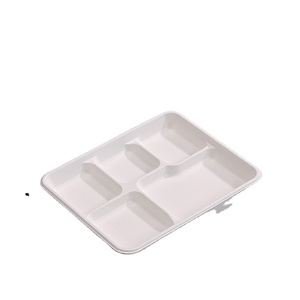
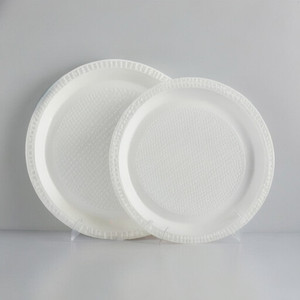
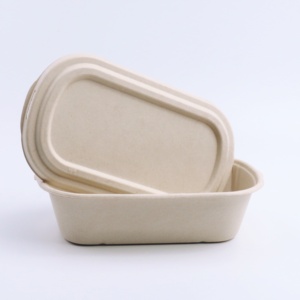
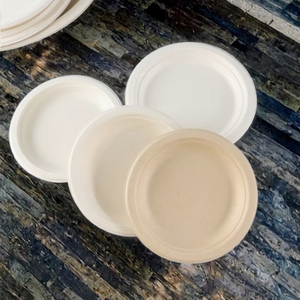
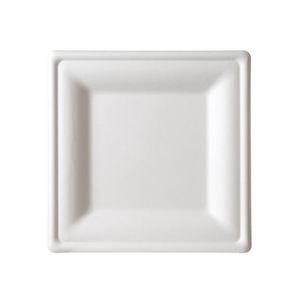
In an era defined by aggressive regulatory shifts away from single-use fluorinated plastics and non-biodegradable polymers (EU Directive 2019/904, US State-level PFAS bans), corporate procurement officers, hotel chain procurement directors, and global foodservice distributors require uncompromising supply chain integrity.
As a premier natural trays manufacturer and exporter, our operational methodology bridges agricultural upcycling with automated thermoforming precision. Natural plant fiber packaging—encompassing wet-molded sugarcane bagasse, modified cornstarch bio-resins, and heat-pressed Areca palm leaf sheaths—represents the bleeding edge of sustainable material science. This whitepaper details the engineering parameters, empirical performance metrics, global procurement trends, and manufacturing controls that govern enterprise-grade natural food tray manufacturing.
The core structural integrity of high-performance natural trays lies in the microscopic interlocking matrix of plant-derived cellulose, hemicellulose, and natural lignin. Unlike traditional paperboard, which requires virgin timber pulp and chemical binding agents, our natural trays utilize 100% renewable agricultural by-products:
Utilizes residual dry pulpy fibrous material remaining after sugarcane stalk crushing. Rich in high-molecular-weight cellulose fibers (45-55%), bagasse provides exceptional tensile strength and flexural modulus under hydraulic wet-molding processes at 200°C.
Sourced directly from certified organic Areca catechu palm plantations. Sheaths drop naturally from trees—zero timber harvesting required. Each sheath is thermo-formed into a rigid, uniquely-grained structural tray using only clean heat and hydraulic force.
Synthesized through the polymerization of starch-derived lactic acid (PLA) and natural fillers. Engineered specifically for precision injection molding, offering ultra-smooth surface finishes, high grease impermeability, and full commercial recyclability.
Referencing our foundational manufacturing standards across our solar-powered facilities in Karnataka, India, and automated Asian processing plants, our production infrastructure is built for massive scale, carbon neutrality, and total compliance:
Laboratory-Verified Thermal, Mechanical, and Environmental Compliance Parameters
| Performance Parameter | Sugarcane Bagasse Trays | Areca Palm Leaf Trays | Cornstarch Bio-Trays | Standard EPS / Plastic Trays |
|---|---|---|---|---|
| Thermal Resistance Range | -20°C to +120°C (Microwave/Freezer) | -20°C to +200°C (Oven Safe) | -18°C to +90°C | -10°C to +70°C (Deforms easily) |
| Grease & Water Resistance | 100°C Water / 120°C Hot Oil (3 Hrs) | Natural Hydrophobic Lignin Layer | 100% Water/Oil Impermeable | High Chemical Resistance |
| PFAS / Fluorine Content | 0% (Certified Fluorine-Free) | 0% (Raw Untreated Leaf) | 0% (Starch Polymer) | Often contains chemical additives |
| Commercial Compostability | EN 13432 / ASTM D6400 (60-90 Days) | Home & Soil Compostable (30-60 Days) | Industrial Facility Degradable | Non-Biodegradable (500+ Yrs) |
| Flexural Rigidity & Strength | High (Pressed Fiber Matrix) | Ultra-High (Natural Wood Grain) | Medium-High Flexibility | Brittle under stress |
| Regulatory Approval Dossier | LFGB §30/§31, EU 1935/2004, FDA | LFGB §30/§31, USDA BioPreferred | FDA 21 CFR, EU Food Contact | Facing Global Statutory Bans |
Sourcing managers and global trade executives must navigate dynamic regulatory pressures, shifting consumer attitudes, and technological advances. The next half-decade of B2B packaging procurement will be dictated by four core megatrends:
Historically, molded fiber packaging relied on per- and polyfluoroalkyl substances (PFAS) for oil repellency. Legislative bans across Europe (REACH), North America (State PFAS restrictions), and ANZ markets now mandate absolute zero-fluorine formulations. Next-generation natural trays utilize bio-wax dispersion coatings and mechanical refining technique to achieve 100% grease resistance without synthetic chemicals.
Enterprise buyers no longer accept vague "green" claims. Institutional procurement contracts increasingly require verified third-party ISO 14040/14044 Life Cycle Assessment reports detailing cradle-to-grave global warming potential (GWP). Manufacturers operating on renewable energy (such as solar photovoltaic plants) provide crucial Scope 3 emissions reductions for multinational client portfolios.
The post-pandemic explosion in commercial meal-kit services, QSR delivery, and institutional healthcare catering demands specialized structural ergonomics. Multi-compartment trays (2, 3, and 5-section layouts) feature anti-spill interlocking seals and reinforced rib geometry that prevent cross-contamination during high-vibration motorcycle or van transport.
Generic packaging is rapidly losing retail shelf impact. Top packaging brands demand high-precision custom mold development. Modern CNC thermoforming tooling enables direct-embossed company logos, textured anti-slip bases, and bespoke dimensional profiles engineered to match automated denesting food assembly lines.
The natural trays industry is undergoing a high-tech metamorphosis. Traditional pulp molding is being replaced by ultra-precise, energy-efficient manufacturing processes.
By blending short-grain sugarcane bagasse fibers with long-grain bamboo fibers and agricultural straw pulps in exact volumetric ratios (e.g., 70% Bagasse / 30% Bamboo), R&D engineers have increased edge-tear resistance by 38% and puncture resistance by 45%. This allows manufacturers to reduce wall thickness and overall product mass without sacrificing structural load capacities—lowering freight costs and material consumption simultaneously.
Pulp molding requires substantial water volumes for fiber slurry suspension. Modern eco-factories utilize closed-loop, multi-stage water filtration and enzymatic purification systems. Up to 98% of process water is continuously recycled, while solid waste residues are recovered and re-pulped, achieving near-zero municipal waste effluent.
To provide prolonged liquid containment for acidic or boiling dishes (such as soups, curries, and greasy roasts), pioneering producers are replacing conventional PE/PLA film lamination with microscopic spray-applied aqueous dispersions. These natural mineral and bio-polymer coatings dry into a heat-stable, fully compostable barrier that leaves no microplastic residue during environmental biodegradation.
Fully Documented Audit Trail for Customs Clearance and Retail Compliance
Certified Quality and Environmental Management Systems issued by TÜV India, auditing raw material traceability, manufacturing precision, and ecological waste management.
Rigorous German food-contact safety testing confirming zero heavy metal migration, sensory neutrality, and absolute absence of harmful chemical transfer under high temperatures.
European and North American gold standards for commercial compostability. Guarantees 90%+ disintegration within 90 days in industrial composting conditions with zero eco-toxicity.
United States Food & Drug Administration authorization for plant fiber materials in direct contact with aqueous, fatty, and dry food products.
Official government validation verifying 100% bio-based carbon content, ensuring maximum eligibility for public sector eco-procurement programs.
Comprehensive third-party workplace audit confirming ethical labor practices, fair remuneration, occupational health & safety, and non-discrimination across production units.
Direct Answers to Technical, Logistical, and Commercial Sourcing Inquiries
Our standard export MOQ is one 40-foot high-cube (40ft HC) container. Floor-loaded, a 40ft HC accommodates approximately 67 m³ of cargo, which translates to roughly 300,000 to 350,000 individual tray units depending on dimensions and nesting density. We fully support mixed-SKU container configurations at no additional fee, allowing buyers to combine round plates, compartment trays, bowls, and platters in a single shipment.
Standard production and loading SLA is 10 business days from order confirmation and deposit receipt to FCL container sealing at New Mangalore Port, India (or regional partner ports). Standard supply contracts include a contractual 1%-per-day delay penalty written in favor of the buyer, reflecting our absolute confidence in production scheduling and inventory control.
Our thermoformed sugarcane bagasse trays withstand hot liquids up to 100°C and hot cooking oils up to 120°C for extended periods without structural softening or liquid seepage. Areca palm leaf trays feature a natural hydrophobic wax and lignin layer, offering organic liquid containment and oven resistance up to 200°C for up to 45 minutes.
Yes. All export batches undergo strict laboratory testing (LFGB §30/§31 and EU Regulation 1935/2004) to certify total absence of fluorinated compounds (PFAS, PFOA, PFOS), heavy metals, or plasticizers. Complete analytical test reports are provided in the compliance dossier for seamless customs clearance in Germany, France, the UK, the US, and Australia.
Yes. We currently manufacture white-label natural tray solutions for 32 private-label brands across 19 countries. OEM capabilities include custom structural mold engineering, direct logo embossing during heat pressing, custom-printed retail shrink-wrap packs, EAN/UPC barcode integration, and retail shelf-ready display cartons.
When stored in dry, cool, indoor warehouse conditions away from direct humidity exposure, natural plant fiber trays maintain structural integrity and hygiene for up to 24 months. Master cartons are sealed with inner moisture-barrier poly-wraps to protect against humidity during ocean freight transit.
While unit manufacturing costs of plant fibers were historically higher than petroleum plastic, increasing environmental tariffs, carbon taxes, and plastic bans have made natural trays highly cost-competitive. By ordering container-direct from our solar-powered facilities, enterprise buyers eliminate intermediary distributor markups and secure fixed price contracts valid for up to 24 months.
Qualified trade accounts, importers, and procurement directors can request a comprehensive sample pack containing physical samples of sugarcane bagasse trays, Areca leaf plates, and cornstarch sets alongside our complete technical compliance dossier by clicking the catalog button below.
Request our comprehensive enterprise catalog, technical laboratory reports, and real-time FOB container pricing. Our export desk responds within four business hours.