Engineered for high-rigidity catering, outdoor hospitality, eco-retailers, and wholesale distributors. Fully compliant with LFGB §30/§31, EU 1935/2004, and FDA 21 CFR 176.170.
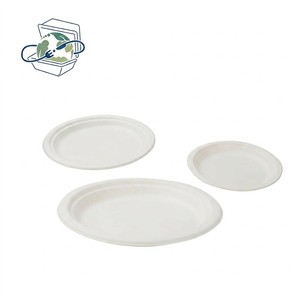
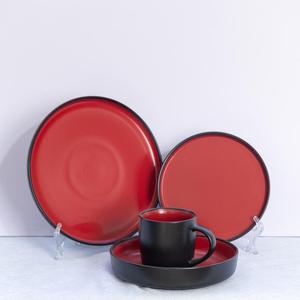
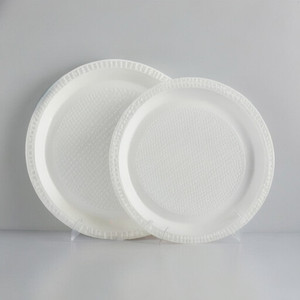
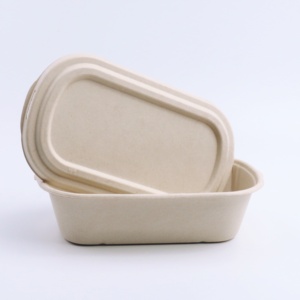
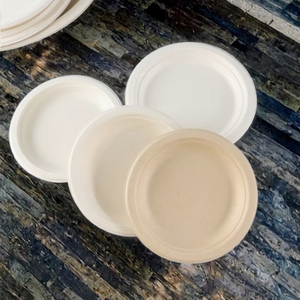
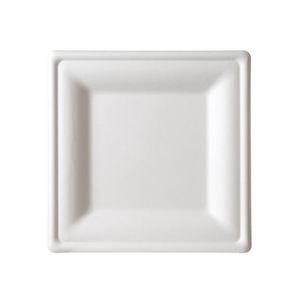
The global commercial food service and outdoor dining sectors are experiencing an unprecedented structural transformation. Driven by stringent international single-use plastics bans (such as EU Directive 2019/904), shifting consumer environmental consciousness, and legislative prohibitions against fluorochemical additives (PFAS), international buyers face immense pressure to secure reliable, certified bio-based picnic dinnerware supply chains. As a premier direct manufacturer and exporter operating scalable clean-energy manufacturing facilities, our enterprise bridges the critical gap between eco-responsibility and industrial-grade mechanical performance.
Picnic tableware presents unique technical challenges compared to static indoor dinnerware. Outdoor events, resort catering, commercial barbecue operations, and mobile food service demand tableware that exhibits exceptional flexural modulus, high burst strength, resistance to thermal deformation when exposed to hot fats or boiling liquids, and complete moisture impermeability over extended holding times. Achieving these physical characteristics without synthetic polymers or toxic fluorochemical coatings requires advanced material science, rigorous biomass selection, and high-precision hydraulic thermoforming processes.
Utilizing high-density hydraulic pressure (200 kg/cm²) and 200°C precision die temperatures to bond natural lignocellulosic fibers without synthetic glues or resins.
100% compliant with California AB 1200 and European food-contact safety standards using bio-based plant wax and nano-cellulose hydrophobic barriers.
Integrated rooftop photovoltaic arrays drive our main molding and sterilization lines, minimizing Scope 1 and Scope 2 operational carbon emissions.
In the domain of commercial eco-friendly picnic dinnerware, selecting the appropriate substrate directly impacts container yield, unit costs, weight balance, and food presentation. Below is a scientific and operational comparison of the four primary bio-materials dominated in OEM manufacturing:
| Substrate Metric | Sugarcane Bagasse | Areca Palm Sheath | Cornstarch (PSM) | Molded Bamboo Fiber |
|---|---|---|---|---|
| Primary Origin | Upcycled Agricultural Waste | Naturally Shed Sheaths | Starch & Bio-Polyesters | Fast-Growing Bamboo Pulp |
| Tensile Strength (MPa) | 18 - 25 MPa | 32 - 45 MPa | 15 - 22 MPa | 28 - 38 MPa |
| Thermal Range | -20°C to 200°C | -18°C to 220°C | -20°C to 120°C | -20°C to 180°C |
| Microwave / Oven Safe | Yes (High Resistance) | Yes (Superior Rigidity) | Microwave Only | Yes (Standard) |
| Hydrophobic Retention | 4+ Hours (Bio-Coated) | Natural Lignin (6+ Hrs) | 100% Water Resistant | 3.5+ Hours |
| Commercial Compost | 30-90 Days | 60-90 Days (Home Safe) | 90-180 Days | 45-90 Days |
Sugarcane bagasse is the fibrous residue remaining after sugar extraction. By refining these short cellulosic fibers, bagasse plates achieve exceptional dimensional stability and uniform aesthetic surface quality. The fibers undergo intensive hydrapulping, de-inking, vacuum suction forming, and high-pressure thermocompression molding. Bagasse serves as the high-volume industrial backbone for picnic dinnerware due to its excellent cost-per-unit ratio, nesting stackability, and complete home and commercial compostability (certified under EN 13432 and ASTM D6400).
For high-end luxury resort catering, outdoor weddings, and premium eco-friendly retail lines, Areca palm leaf dinnerware offers unmatched structural elegance. Harvested strictly from fallen leaf sheaths of the Areca catechu palm tree, no trees are ever felled. Each sheath is unique, showcasing organic wooden grain patterns. Hydraulic pressing at 200°C sterilizes the material while activating natural leaf resins to seal the surface. Areca plates exhibit the highest tensile strength among natural disposables, resisting cut damage from heavy steak knives and holding hot gravies without softening.
Cornstarch-based dinnerware (PSM) incorporates modified plant starch blended with biodegradable polyesters (such as PBAT or PLA). This creates a semi-rigid structure with smooth plastic-like tactile feedback. While cornstarch dinnerware excels in moisture retention and structural flex, commercial buyers must carefully evaluate local regional legislation regarding industrial compostability infrastructure, as high-percentage polymer blends require specific microbial environments to degrade efficiently.
B2B buyers, procurement executives, and retail brand strategists must navigate evolving market forces over the coming decade. As an industry leader supplying major distributors across Europe, North America, and Australasia, we identify four critical trends driving the future of picnic dinnerware sourcing:
Historically, molded fiber dinnerware relied on Per- and Polyfluoroalkyl Substances (PFAS) to achieve grease and oil resistance. As health authorities globalize bans on persistent organic pollutants, traditional fluorinated sizing agents are fully obsolete. Advanced manufacturing facilities have transitioned to bio-wax emulsions, siliconized sol-gels, and micro-fibrillated cellulose (MFC) surface barrier sprays applied during thermoforming. Buyers must mandate third-party total fluorine laboratory testing (<50 ppm fluorine threshold) on all incoming shipments to prevent customs detentions and regulatory recalls.
With global ocean freight rates fluctuating, container volumetric loading efficiency directly governs landed cost-per-unit metrics. Modern tooling designs prioritize low-draft-angle nesting profiles. By engineering precise rim taper ratios, modern bagasse and palm leaf plates collapse tighter into master shipping cartons. A standard 40-foot High Cube (40ft HC) container can now accommodate between 300,000 to 350,000 stacked bagasse units (approx. 67 m³ usable volume), reducing freight cost overhead per piece by up to 22% compared to legacy molds.
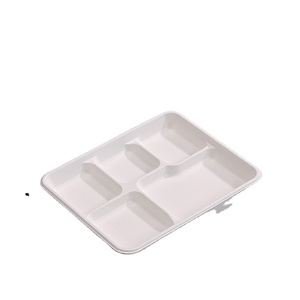
Standard round plates are rapidly yielding market share to custom-molded multi-compartment trays tailored to modern meal delivery, airline catering, outdoor festivals, and curated picnic kits. Five-compartment and three-compartment layouts separate hot proteins, cold salads, sauces, and desserts within a single rigid carrier. Private-label brands increasingly demand custom debossed logos, custom retail packaging (recycled shrink-wrap with FSC-certified paper headers), and retail-ready display cartons (PDQs) pre-barcoded for instant store shelf placement.
Tier-1 retail chains and multinational hospitality buyers now enforce strict corporate ESG (Environmental, Social, and Governance) vendor audits. Sourcing dinnerware from coal-powered manufacturing facilities negates the ecological benefit of using natural materials. Forward-thinking factories operate integrated rooftop photovoltaic arrays, closed-loop water recirculation hydrapulping systems, and localized raw material supply networks within a 100 km radius of the plant to minimize transportation emissions.
Navigating global supply chain volatility requires an export-oriented partner that combines massive industrial output with uncompromised quality assurance. Our manufacturing footprint operates under the following core competencies:
90 dedicated hydraulic press stations deliver stable volumetric supply, scalable to 9M units within 75 days for enterprise annual contracts.
Confirmed FCL orders move from production staging to container loading at port within 10 business days, backed by strict contractual SLAs.
ISO 9001:2015, ISO 14001:2015, amfori BSCI social audit compliant, LFGB §30/§31, USDA BioPreferred, and EN 13432 compost certified.
Consolidate up to 8 distinct dinnerware SKUs (plates, bowls, compartment trays) within a single 40ft HC container at zero extra handling fee.
Dual-pass 200°C hydraulic thermoforming followed by inline high-intensity UV-C conveyor sterilization ensures near-zero microbiological counts.
Direct partnerships with over 800 certified organic farming families ensure steady seasonal raw material security and fair-trade equity.
Eliminate middleman markups, secure guaranteed container dispatch schedules, and upgrade your product portfolio with certified PFAS-free picnic dinnerware lines.