Industrial UV-Sterilized, High-Heat Pressed, and Custom Packaged for South African Importers & Wholesalers
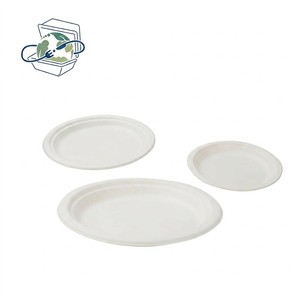
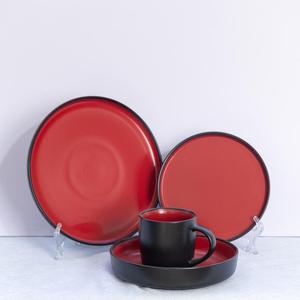
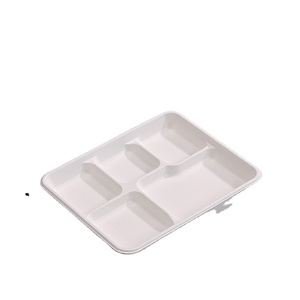
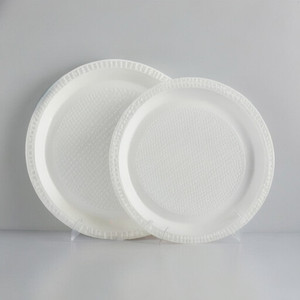
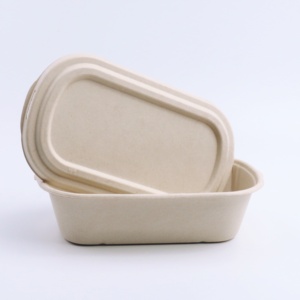
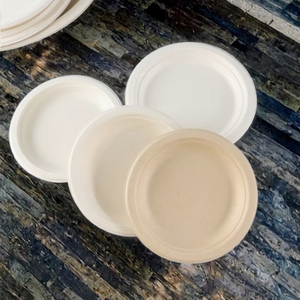
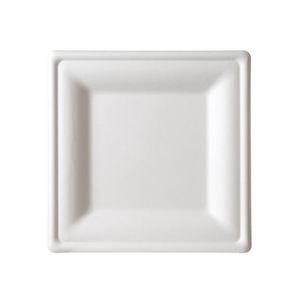
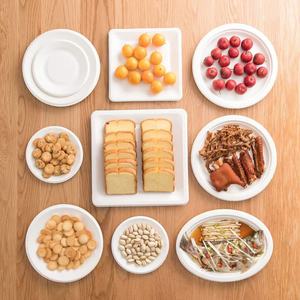
As South Africa moves decisively toward strict Extended Producer Responsibility (EPR) regulations and single-use plastic reduction targets under the National Environmental Management: Waste Act (NEMWA), the demand for high-performance, non-toxic, bio-based dinnerware has reached an unprecedented high. Commercial procurement heads, hospitality management groups, and high-volume distributors across Johannesburg, Cape Town, Durban, and Pretoria are increasingly looking to China's leading manufacturing facilities to secure scalable, certified supply lines of UV-sterilized palm leaf tableware, sugarcane bagasse products, and cornstarch composites.
Importing natural sheath tableware into South Africa requires overcoming critical technical challenges: tropical fungal contamination during long sea freight transitions across humid maritime routes, structural degradation under heavy grease exposure (such as traditional South African Braai dishes and meat gravies), and strict compliance verification with South African National Standards (SABS / SANAS aligned food contact approvals). Our factory complex bridges this gap through an advanced, solar-powered 8-stage manufacturing process integrated with dual-wavelength (254nm) UV-C decontamination tunnels, guaranteeing zero microbial activity, high structural density, and flawless commercial performance upon container discharge at the Durban (DUR) or Cape Town (CPT) ports.
Information Gain Key Takeaway: Unlike standard unsterilized palm leaf products on the market, our proprietary UV-C bio-sterilization process eliminates fungal spores and bacterial colonies prior to vacuum packaging. This prevents mold spores from germinating during the 20 to 30-day ocean voyage to Southern Africa, solving the #1 issue faced by South African bio-tableware importers.
Engineering Excellence, Solar Power Infrastructure, and Uncompromising E-E-A-T Compliance
Every single piece passes through continuous 254nm ultraviolet sterilization tunnels post-drying. This kills 99.99% of surface micro-organisms, yeast, and mold without introducing toxic chemicals, sprays, or synthetic washes.
Operated across 90 solar-powered production lines producing 4.5 million units monthly. Our carbon-neutral manufacturing process significantly reduces the embodied carbon footprint for South African ESG buyers.
Naturally fallen sheaths and plant fibers are high-pressure molded under 200°C CNC thermal dies. This thermal bonding creates leak-proof integrity capable of handling boiling soups, hot oils, and oven reheating up to 200°C.
Fully certified under ISO 9001:2015, ISO 14001:2015, German LFGB §30/§31 parameters, EU Regulation 1935/2004, USDA BioPreferred, and EN 13432 compostability standards. Full compliance dossiers supplied with every FOB shipment.
Streamlined export logistics allow full container load (FCL) loading at Ningbo/Shenzhen within 10 days of order confirmation. Custom mixed-SKU container configurations are supported without extra split-loading surcharges.
Powering 32+ major eco-brands globally. We offer complete OEM services including retail inner polybags with custom barcode labels, shelf-ready display boxes, master carton branding, and bespoke compartment mold designs.
The South African commercial market presents unique operational demands for disposable tableware. Our UV-sterilized palm leaf and bagasse tableware products are specially engineered to meet the rigors of local culinary traditions and hospitality setups:
In eco-sensitive wilderness regions like Greater Kruger, Sabi Sands, and the Madikwe Reserve, single-use plastics are strictly prohibited by environmental management trusts. Luxury bush dining requires an authentic, organic aesthetic that mirrors the surrounding African landscape without compromising structural integrity. Our heavy-duty palm leaf platters and bowls fit seamlessly into open-air boma dinners, bush breakfasts, and outdoor luxury catering.
Traditional Braai dining presents extreme physical stress for disposable plates: heavy cuts of steak, lamb chops, boerewors, hot chakalaka sauce, and heavy pap. Standard paper or thin bagasse plates quickly soften, bend, or leak under hot oil and heavy weights. Our 200°C heat-pressed areca palm leaf plates possess wood-like flexural rigidity, allowing guests to carry piled Braai portions with one hand without any buckling or liquid soak-through.
From Stellenbosch and Franschhoek wine estates to oceanfront event venues in Cape Town and Durban, eco-conscious brides and event planners demand sophisticated, plastic-free table settings. The unique, natural wood-grain aesthetics of our UV-sterilized square and round palm plates deliver an elevated minimalist look that compliments luxury catering, grazing tables, and artisan food trucks.
South Africa’s commercial sector is undergoing a rapid transition away from expanded polystyrene (EPS/Styrofoam) and conventional single-use plastics. Key drivers shaping B2B procurement decisions include:
By establishing a direct factory supply contract with us, South African importers gain access to comprehensive food-contact safety dossiers (LFGB / EU 1935/2004) that simplify customs clearance under South African Revenue Service (SARS) regulations and ensure smooth audits by local municipal health authorities.
Selecting the correct substrate for your South African distribution portfolio depends on thermal requirements, liquid exposure, target price point, and disposal infrastructure. The table below outlines the performance matrix of our primary eco-friendly material lines compared to traditional plastic dinnerware:
| Performance Parameter | UV Sterilized Palm Leaf | Sugarcane Bagasse | Cornstarch Composite | Polystyrene (Styrofoam) |
|---|---|---|---|---|
| Raw Material Origin | 100% Fallen Areca Sheaths | Sugarcane Fiber Pulp | Bio-Cornstarch + Plant Resin | Petrochemical Synthetic |
| Bending / Tensile Strength | Ultra-High (Wood-like) | Medium-High (Fibrous) | High (Flexible Plastic-like) | Low (Brittle / Cracks easily) |
| Heat Resistance Rating | Up to 200°C (Oven & Microwave) | Up to 100°C (Microwave Safe) | Up to 120°C | Deforms above 80°C (Toxic Leaching) |
| Water & Hot Oil Leak Defense | Natural Wax Coating (4+ Hours) | Oil/Water Repellent Added | 100% Liquid Barrier | High, but Melts with Greasy Hot Food |
| UV-C Sterilization Level | 254nm Dual-Pass (Zero Mold) | High Temperature Molded | Cleanroom Extruded | None (Industrial Standard) |
| Commercial & Home Composting | 100% Home Compost (60-90 Days) | 100% Commercial Compost | Industrial Compostable | Non-Biodegradable (500+ Years) |
Addressing Common Logistics, Customs, and Quality Assurance Enquiries for South African Importers
Our standard export minimum order quantity is one 40-foot High-Cube (40ft HC) container. A 40ft HC container floor-loaded holds approximately 67 cubic meters, accommodating between 300,000 and 350,000 units depending on the selected SKU mix. We allow importers to mix multiple sizes—including round plates, square plates, compartment trays, and bowls—within a single container at no additional consolidation fee. Prices are quoted FOB Ningbo, Shenzhen, or New Mangalore Port.
Sea freight from Asian ports to South Africa takes approximately 20 to 30 days, crossing high-humidity equatorial zones. Standard natural leaf products carry latent surface mold spores that can germinate under container sweat conditions. Our manufacturing lines pass 100% of finished products through high-intensity 254nm UV-C sterilization tunnels before hermetically sealing them in moisture-barrier shrink wraps with silica desiccant packs. This process completely neutralizes microbial spores, guaranteeing your stock arrives at South African warehouses in pristine condition.
Yes. Our dinnerware complies fully with international food-contact safety standards including German LFGB §30/§31 parameters, EU Regulation 1935/2004, and US FDA guidelines. Every batch undergoes rigorous testing for heavy metals, formaldehydes, pesticide residues, and fluorine compounds (PFAS-free). We provide complete laboratory testing certificates and material safety data sheets (MSDS) required by SARS customs brokers and South African municipal health inspectors.
Because our areca palm plates are high-pressure thermoformed at 200°C from dense, natural sheath fibers, they maintain structural rigidity even under extreme weight and thermal stress. The natural epidermal leaf wax forms an impermeable barrier against hot oils, gravies, and liquids for over 4 hours without soggy bottoms or leaking. Unlike paper or thin plastic plates, guests can cut meats with knives directly on the plate without piercing through.
We manufacture custom private-label tableware for 32+ international brands and retail chains. For South African partners, we offer custom artwork printing on inner retail polybags, shelf-ready display boxes, barcode integration (EAN-13 / UPC), custom inner pack counts (e.g., 6-pack, 10-pack, 25-pack shrink packs), and outer master carton custom branding with your company details and local compliance labeling.
Once your order and customized packaging artwork are confirmed, production and container loading are completed within 10 business days. Transit time via direct shipping lines from China to Port of Durban (DUR) is approximately 18–22 days, and to Cape Town (CPT) approximately 22–26 days. In total, your warehouse can expect full container delivery within 35 to 45 days from order placement.
Our current installed factory capacity is 4.5 million units per month across 90 dedicated production units. We maintain documented expansion protocols capable of scaling output to 9 million units per month within 75 days for confirmed annual supply agreements. Raw material supply is secured through partnerships covering over 2,000 hectares of organically managed plantations, ensuring guaranteed stock availability year-round.
Yes. Our palm leaf dinnerware is made strictly from naturally shed areca palm sheaths using heat and water vapor only. No chemical binders, glues, synthetic coatings, or artificial dyes are added. When discarded in a backyard compost heap or garden soil, the plates naturally decompose into nutrient-rich organic matter within 60 to 90 days, leaving zero microplastics or toxic chemical residues behind.
Scale your South African distribution business with certified, zero-plastic, heavy-duty dinnerware engineered for performance. Contact our export desk today for container loading plans, product pricing catalogs, and free sample dispatch.
Contact Us