Engineered through precision heat-pressing without chemicals, resins, or plastic linings. Certified import-ready for the Kenyan commercial market.
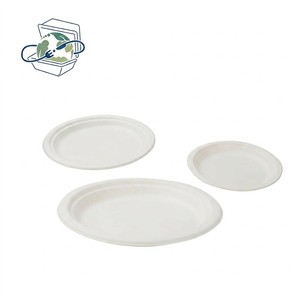
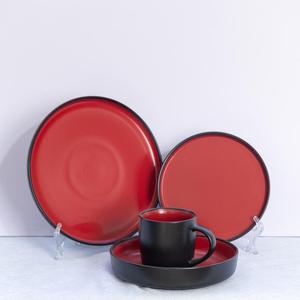
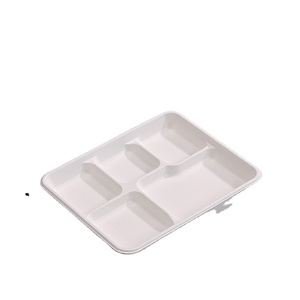
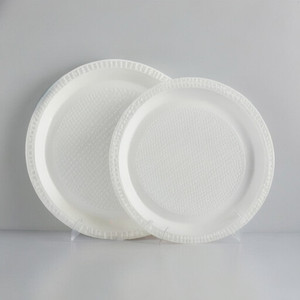
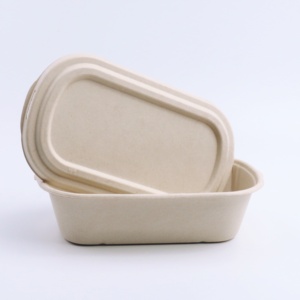
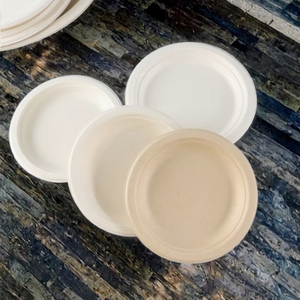
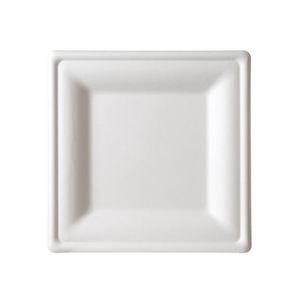
Kenya has solidified its position as a global leader in environmental stewardship, enforcing stringent anti-plastic legislation under NEMA (National Environment Management Authority). As East Africa's commercial and tourism hub, Kenyan enterprises require high-performance, compliant, and aesthetically premium eco-tableware alternatives.
While sugarcane bagasse and paper pulp have seen widespread adoption, heat-pressed Areca palm sheath plates represent a superior structural and biological alternative. Unlike bagasse (which requires chemical pulping, binding, and intensive bleaching) or paper (which often relies on thin polyethylene or wax coatings to resist liquids), Areca sheath tableware is transformed directly from naturally shed palm frond sheaths via purely physical hydro-pressure cleaning and high-temperature hydraulic moulding.
The natural architecture of the Areca palm (Areca catechu) sheath contains an intricate lignocellulosic matrix. When subjected to 200°C CNC heat pressing at our primary manufacturing facility in Bhadravathi, Karnataka, the native lignin within the plant fibers softens and naturally bonds without a single drop of synthetic adhesive, fluorocarbons (PFAS), or plastic coatings.
For Kenyan commercial buyers—ranging from high-volume catering firms in Nairobi to eco-resorts in the Maasai Mara—this structural density provides unique performance characteristics:
We are not third-party brokers or trading intermediaries. Operating under Conservia Partners, our integrated manufacturing infrastructure delivers uncompromising quality and raw material traceability.
Our principal manufacturing plant in Karnataka runs fully on rooftop solar photovoltaic arrays. This reduces carbon intensity to near-zero and insulates our B2B procurement partners from energy grid price volatility.
Fully compliant with global food contact regulations. Verified by TÜV India for ISO 9001:2015 & ISO 14001:2015, LFGB §30/§31 (German food contact parameters), EU 1935/2004, USDA BioPreferred, and EN 13432 compostability standards.
FOB loading out of New Mangalore Port (India) directly to the Port of Mombasa in 10 days from order confirmation. Contracts feature a buyer-centric 1%-per-day dispatch guarantee clause.
| Performance Metric | Heat-Pressed Areca Sheath | Sugarcane Bagasse | PLA Cornstarch Plastic | Coated Paperboard |
|---|---|---|---|---|
| Raw Material Source | 100% Naturally Fallen Leaves | Agricultural Fiber Waste | Industrial Corn Fermentation | Virgin/Recycled Wood Pulp |
| Chemical Processing | Zero (Clean Water Wash Only) | Pulping & Chemical Bleaching | Industrial Polymerization | Synthetic Coatings (PE/Wax) |
| Bending & Flex Rigidity | Exceptionally High (Wood-Like) | Moderate to Soft | Flexible / Rigid Plastic-like | Low (Fails under weight) |
| Thermal Range | -20°C to +200°C (Oven Safe) | 0°C to +100°C (Microwave) | Max 40°C (Melts in heat) | Max 80°C (Coating dissolves) |
| Home Composting Rate | 60–90 Days (Soil Nutrient) | 60–90 Days | Requires Industrial Facility | Non-compostable if PE lined |
| Coastal Humidity Proofing | Excellent (Natural Wax Barrier) | Absorbs moisture over time | Good | Poor (Soggy in ambient air) |
Custom-tailored tableware solutions aligned with Kenya's unique geographic regions, hospitality demands, and sustainability mandates.
Locations: Maasai Mara National Reserve, Amboseli, Samburu, Laikipia.
In high-end eco-camps operating under strict "Leave No Trace" wilderness directives, plastic dinnerware is illegal and paper plates compromise the guest dining aesthetic. Heat-pressed Areca sheath plates deliver an earthy, rustic elegance that complements bush breakfasts and alfresco dinners. Post-dining, plates can be directly composted in camp organic waste pits, returning to natural soil without toxic residue.
Locations: Mombasa Island, Diani Beach, Malindi, Watamu, Lamu.
Kenya's Indian Ocean coastline suffers from severe ocean plastic pollution. Coastal hoteliers and beach clubs use our heavy-duty Areca plates for fresh seafood platters, barbecues, and poolside catering. The natural moisture resistance prevents sagging in high coastal humidity, providing resort operators with a 100% ocean-safe alternative to single-use plastics.
Locations: Nairobi (Upper Hill, Westlands, Gigiri), Nakuru, Kisumu.
Nairobi serves as the diplomatic and corporate headquarters of East Africa (hosting UN Environment Programme HQ). Wedding planners, corporate caterers, and embassy banquet teams select our 5-compartment trays and square plate collections to serve complex multi-course meals, thalis, and cocktail bites while adhering to corporate ESG compliance standards.
Locations: Naivasha, Eldoret, Mount Kenya Region.
Kenya's horticulture and floriculture exporters require bio-degradable trays for specialized farm-to-table organic packaging and produce display. Our precision-pressed Areca trays provide structural rigidity for premium avocado, berry, and specialty flower retail packaging bound for European and Middle Eastern markets.
Understanding the regulatory vector in East Africa is essential for bulk importers, commercial distributors, and packaging buyers. Kenya has established one of the world's most aggressive regulatory frameworks surrounding commercial packaging and disposable dinnerware:
Following the landmark 2017 ban on plastic carrier bags, the Kenyan government extended restrictions in June 2020 to prohibit single-use plastics—including cutlery, plates, straws, and water bottles—in all protected areas, national parks, forests, and beaches. Commercial operators caught utilizing banned plastics face heavy fines and operational license suspensions under the Environmental Management and Co-ordination Act (EMCA).
The Kenyan Ministry of Environment and Forestry introduced mandatory Extended Producer Responsibility (EPR) obligations. Producers, importers, and brand owners must take financial and operational responsibility for the post-consumer phase of products introduced to the Kenyan market. Importing 100% natural, untreated Areca sheath tableware bypasses EPR plastic taxes, as the product breaks down naturally into organic compost within 90 days without requiring complex industrial recycling infrastructure.
Hotels and safari lodges seeking gold and silver ratings from Ecotourism Kenya must demonstrate zero-single-use-plastic policies across all food and beverage touchpoints. Utilizing heat-pressed Areca tableware directly satisfies eco-rating audit criteria, elevating brand prestige among international high-yield tourists.
From raw sheath collection in certified organic palm groves to container sealing for Mombasa delivery.
Sheaths naturally shed by Areca palms are gathered by ~810 partner farming families across Karnataka. No trees are harmed.
Manual inspection sorts raw sheaths by thickness, fiber density, and surface uniformity, discarding defective leaves.
High-pressure jets of pure water cleanse natural field dirt, sand, and organic residue without chemical cleansers.
Soaked sheaths are pressed in CNC precision hydraulic moulds at 200°C, sterilizing and forming the rigid plate structure.
Plates undergo 24-hour moisture balancing at 60°C to achieve a 10-12% moisture index, preventing mold growth in sea transit.
Conveyor-based ultraviolet light exposure eliminates micro-organisms, ensuring food-grade hygiene standards.
Automated high-speed routers smooth and finish plate perimeters for flawless safe handling by waitstaff and guests.
Packaged in food-contact shrink wrap with silica desiccants, master-cartoned and palletized for oceanic container transport.
Addressing import duties, clearing protocols at Kilindini Harbour (Mombasa), product durability, and private labeling.
Connect directly with our export engineering desk to receive comprehensive product specification sheets, container packing plans, and FOB/CIF Mombasa price structures within 4 business hours.