Explore our high-density disposable plate lines certified for industrial composting, heavy food load resistance, and cold/hot food service compliance under Chicago municipal standards.
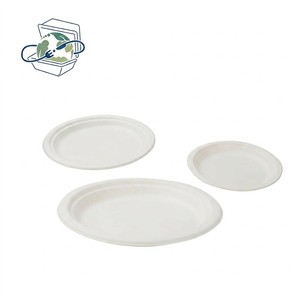
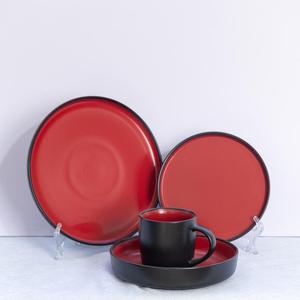
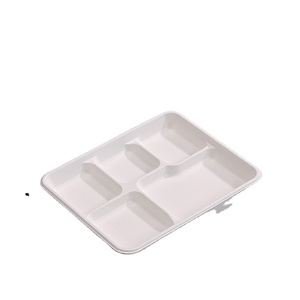
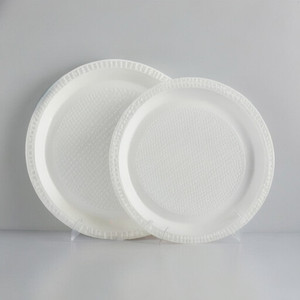
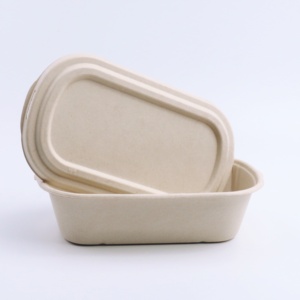
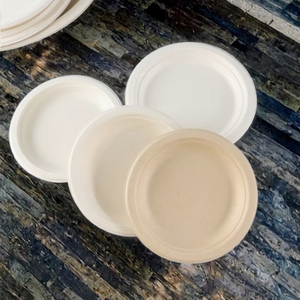
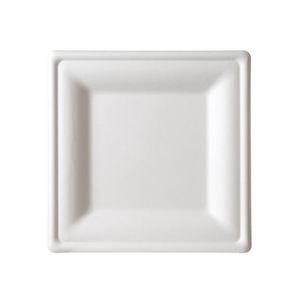
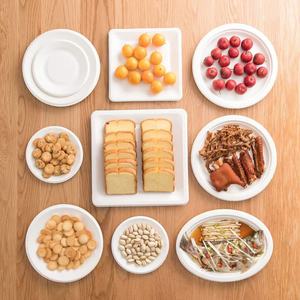
The Greater Chicago area—encompassing Cook County, DuPage County, and the broader Illinois-Indiana-Wisconsin commercial corridor—represents one of North America's densest markets for institutional catering, corporate hospitality, and food distribution. Driven by municipal ordinances curbing expanded polystyrene (EPS) and single-use petroleum plastics, Chicago food distributors and event venues are undergoing a rapid transition toward ASTM D6400 and EN 13432 certified round plates. As direct primary manufacturers, we eliminate import broker markups, offering full container load (FCL) shipments directly into Midwest logistics hubs via the Port of Chicago and Class I rail connections.
How high-density bagasse and heat-pressed plant tableware solve rigorous real-world food service challenges across Chicago's unique culinary landscape.
Chicago's signature heavy food items—including deep-dish pizza, Italian beef drenched in hot au jus, and rich barbecue ribs—require exceptional tensile wall strength and moisture barriers. Standard thin paper plates soak through within minutes. Our heat-pressed pulp plates tolerate hot oil up to 200°C without structural softening, delamination, or bottom leakage.
Hosting millions of trade show attendees annually, McCormick Place and downtown Chicago hotel banquet operations demand high-volume, rapid-service round plates that nest tightly in storage and support eco-auditing compliance. Our uniform, stack-stable round plates stream-line back-of-house plating while satisfying strict corporate ESG standards.
Outdoor lakefront venues and charter cruise lines face high-wind environments and zero-plastic waste mandates to prevent marine pollution in Lake Michigan. Heavyweight bagasse and areca sheath plates provide natural wind resistance compared to lightweight plastic, composting fully in municipal facilities after events.
Chicago's culinary innovation district demands high-aesthetic presentation. Our minimalist porcelain-style eco-plates and rustic 100% natural leaf sheath options deliver high-end visual appeal for trendy food halls, farm-to-table pop-ups, and upscale catering brands in the Fulton Market corridor.
How direct factory compliance shields Chicago importers and distributors from legal risks and non-compliance fines.
| Regulatory / Material Metric | Conventional EPS / Plastic | Standard Recycled Paper | Factory Direct Bagasse / Leaf |
|---|---|---|---|
| Chicago Single-Use Ban Compliance | Non-Compliant | Compliant | Fully Compliant |
| PFAS Fluorinated Chemical Content | N/A (Synthetic Polymer) | Frequent Wax Coating | 100% Zero PFAS |
| Thermal Deformation (Microwave/Oven) | Melts at >80°C | Sags under Steam | Stable to 200°C |
| Commercial Composting Breakdown (LRS/WasteNot) | Non-Biodegradable | Requires Lining Stripping | PASS (30-90 Days) |
| Industrial Certifications | None | FSC Paper Only | LFGB, ISO, USDA Bio |
In compliance with evolving Illinois State legislation regarding PFAS chemicals in food packaging (Illinois HB 4238) and regional municipal diversion mandates, our manufacturing facilities adhere strictly to zero-fluorination protocols. Materials are tested under LFGB §30/§31 and EU Regulation 1935/2004 standards, ensuring Chicago distributors receive documentation suitable for municipal composting facility acceptance (such as Lakeshore Recycling Systems and organic haulers across Cook County).
Operated under Conservia Partners / Ecodyne Tableware manufacturing frameworks, our solar-powered plants process natural bagasse and fallen areca sheaths under automated thermal pressure.
Organic sugarcane bagasse pulp or naturally fallen areca palm sheaths are harvested from certified agricultural partner networks. No trees cut.
High-pressure water jet washing removes all field residues, organic dust, and soil particles without synthetic detergent reagents.
Pulp fibers or sheaths undergo temperature-controlled hydration soaking to achieve optimal mold elasticity and structural density.
Pressed in computer-numerical-controlled hydraulic molds at 200°C. High heat and mechanical tonnage sanitize and bond fibers naturally.
24-hour drying cycle at 60°C cures plates to a stabilized moisture level under 8%, preventing mold development during ocean freight transit.
Automated robotic arm cutters trim excess perimeter sheath to guarantee exact outer diameter specifications for automated dishing machines.
Plates pass beneath intense industrial ultraviolet sterilizing lamps on closed-conveyor tracks immediately before cleanroom wrapping.
100% human visual inspection removes structural anomalies (15% target rejection rate). Grade-A units are shrink-sealed in export master cartons.
Our standard export baseline is one 40-foot high-cube (40ft HC) container, holding approximately 67 m³ or between 300,000 and 350,000 round plates depending on diameter mixes. We permit customized multi-SKU container loading—combining round plates, compartment trays, and bowls—at zero extra packing fee, allowing Chicago buyers to balance inventory across multiple product lines.
Factory production to container vessel loading at port takes 10 calendar days. Direct ocean transit from our primary port (New Mangalore Port, FOB) to Midwest US ports or intermodal rail terminals via Pacific/Atlantic routing typically requires 28 to 35 days. Standard supply contracts feature a 1%-per-day late penalty clause protecting buyer delivery schedules.
Yes. All production lots hold documented compliance certifications including ISO 9001:2015 quality management, ISO 14001:2015 environmental protocols, TÜV testing dossiers, LFGB §30/§31 parameters, USDA BioPreferred registration, and EN 13432 compostability PASS reports. All test results are released to qualified procurement teams upon request.
Absolutely. We currently service 32 white-label brand clients across 19 global export markets. Private label scope includes custom artwork design, barcoding, retail sleeve packaging, multi-lingual compliance text, inner shrink wrap branding, and master carton customization tailored to US distribution standards.
Because our fibers are bonded under 200°C hydraulic molding pressure without artificial fillers, the microscopic matrix exhibits high lipid and moisture resistance. Plates resist hot grease soaking, remain rigid under heavy meat loads, and tolerate temperatures from sub-zero freezing up to 200°C microwave/oven reheating.
Raw material integrity is backed by long-term partnerships with approximately 810 certified farming families across 2,000 hectares of organic cultivation (with another 4,500 hectares in organic conversion), overseen via agricultural research guidance from CPCRI (ICAR). Installed factory capacity stands at 4.5 million units per month, with expansion capability to 9 million units within 75 days against annual contract guarantees.
Request direct factory wholesale price sheets, custom embossing options, and full container shipping estimates to your Chicago or Midwest logistics center.
Get Catalog