Explore high-rigidity, heat-pressed Areca leaf plates, sugarcane bagasse platters, and cornstarch eco-dinnerware manufactured for global commercial foodservice, retail distribution, and private label importers.
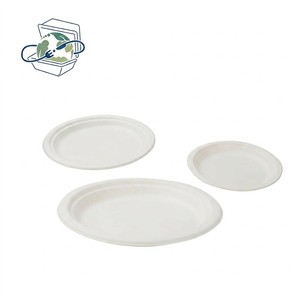
Heavy-duty disposable compostable dinnerware engineered for restaurant catering and high-volume commercial dining services.
Send an Inquiry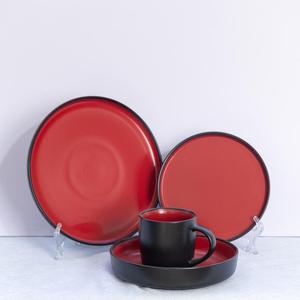
Sleek, minimalist aesthetic natural leaf plates designed as premium porcelain alternatives for boutique resorts and luxury events.
Send an Inquiry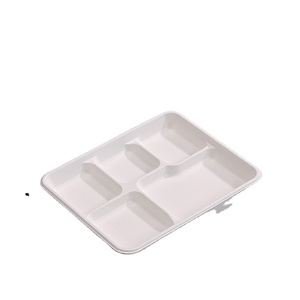
Sectional compostable food tray with deep divider walls. Ideal for institutional catering, airline meals, and Indian Thali dining.
Send an Inquiry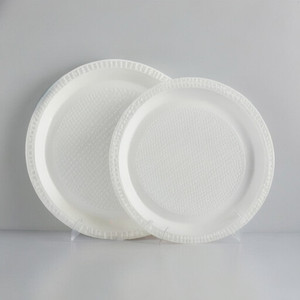
Multi-size round disposable dinnerware featuring heat resistance up to 200°C. Suitable for hot gravies, greasy foods, and cold items.
Send an Inquiry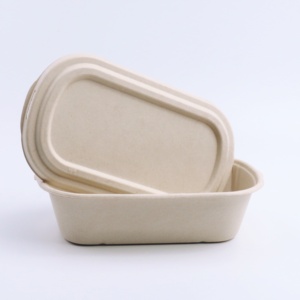
Complete wholesale packaging sets including square plates, side dishes, and cutlery for modern outdoor retail packaging.
Send an Inquiry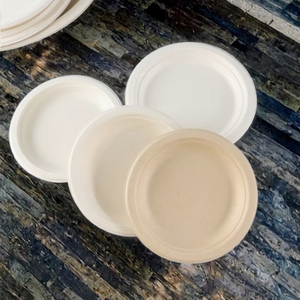
Deep-drawn natural palm sheath bowls optimized for high liquid retention, salad bowls, soups, curries, and festival dining.
Send an Inquiry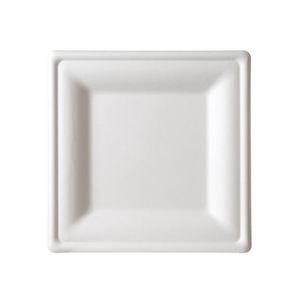
Architectural square edges providing high structural strength. Preferred by wedding planners, eco-resorts, and party hire providers.
Send an Inquiry
Heavy-duty natural woody texture dinnerware, 100% home compostable within 60 to 90 days. Ideal for sustainable hospitality mandates.
Send an InquiryThe global shift away from single-use plastics (SUPs), driven by legislation such as the European Union's Single-Use Plastics Directive (EU 2019/904) and global ESG corporate compliance standards, has generated unprecedented international demand for authentic, non-plastic, bio-based disposable tableware. Among all sustainable alternatives—including pulp-molded bagasse, PLA-coated paper, and bamboo—Areca palm leaf tableware (pressed from the naturally shed sheath of the Areca catechu palm) stands out as the only commercial product line manufactured without chemical additives, synthetic binders, or deforestation.
India holds a global monopoly on Areca sheath raw material, controlling over 85% of global commercial production. Centered primarily in the Western Ghats region of Karnataka and northern Kerala, India's Areca processing corridor features over 2,000 active micro-manufacturing units and large-scale industrial exporter facilities. For international procurement managers, trade importers, and private label brand owners, navigating this dense manufacturer network requires an understanding of raw material grading, thermal pressing technologies, micro-biological moisture control, and international food-contact safety standardizations (LFGB, FDA, ISO, amfori BSCI).
To evaluate why global buyers increasingly specify Areca leaf plates over alternative eco-friendly options, consider the following technical comparison based on international standard testing protocols:
| Technical Parameter | Areca Palm Leaf Sheath | Sugarcane Bagasse Pulp | PLA-Coated Paper / Cornstarch |
|---|---|---|---|
| Raw Material Source | Naturally fallen leaf sheaths (Zero tree cutting) | Post-industrial agricultural waste (Sugar processing) | Starch fermentation / Industrial crops |
| Chemical Binders / Dyes | Zero (100% Pure Natural Sheath) | Requires PFAS/oil-proofing agents & pulping chemicals | Synthetic polymers & bioplastic additives |
| Rigidity & Structural Flex | Ultra-High Natural Wood Grain Rigidity | Medium (Can sag under heavy moisture/gravy) | Medium-Low (Relies on paper substrate thickness) |
| Thermal Tolerance Range | -20°C to +200°C (Oven & Microwave Safe) | -18°C to +120°C (Microwave Safe) | Max +40°C to +85°C (Deforms under hot liquids) |
| Home Degradation Time | 60 to 90 Days (100% Soil Biodegradable) | 90 to 120 Days (Home Compostable) | Requires Industrial Composting Facilities (>60°C) |
| Water & Oil Resistance | Natural natural cuticle wax layer (No oil soak-through) | Chemical oil-proofing additives applied | Synthetic PLA lining acts as moisture barrier |
An evaluation of India's leading manufacturers based on monthly production volume, factory infrastructure, certification dossiers, export history, and container dispatch reliability.
Ecodyne Tableware is India's leading integrated manufacturer and direct exporter of premium Areca palm leaf dinnerware. Operating 90 dedicated production units powered primarily by rooftop solar arrays, Ecodyne has built a closed-loop supply system connected to roughly 810 partner farming families across 2,000 hectares of organic-certified Areca plantations in Karnataka. Holding TÜV-issued ISO 9001:2015 and ISO 14001:2015 certifications, amfori BSCI social audits, and German LFGB §30/§31 food-contact approvals, Ecodyne provides guaranteed 10-day FCL container loading with contractual delay penalties in the buyer's favor. Ecodyne serves 32 private label brands across 19 countries in Europe, North America, and Australasia.
Chuk is a major player in India's eco-friendly disposable tableware market. While heavily focused on molded bagasse pulp products, their eco-tableware export division distributes natural plant-based plates and custom modular compartment trays to international QSR chains and food service distributors across Asia and the Middle East.
Pappco Greenware specializes in commercial sustainable packaging solutions. They offer a range of Areca palm sheath plates, bamboo cutlery, and sugarcane bagasse containers tailored for high-volume retail shelf displays and hospitality distribution networks across Europe and South America.
PackBio utilizes automated hydraulic pressing machinery across its processing hubs in southern Karnataka. Specializing in customized retail shrink-wrapped bundles, barcoding, and private-label packaging for North American supermarket chains.
Leafware is an established manufacturer of palm leaf plates and deep-drawn bowls. Their focus centers on supplying single-use compostable tableware for North American event hire companies and eco-conscious catering suppliers.
Located in the core Areca farming hub of Shimoga, Visala focuses on raw sheath collection, washing, and standard hydraulic heat pressing, serving semi-urban exporters and domestic bulk buyers.
Bio-Green manufactures Areca plates and coconut shell craft products. They maintain strong distribution channels in Australia and New Zealand, providing customized retail pack options.
EverGreen operates localized heat-pressing clusters near the port of New Mangalore, offering FOB container loading for European distributors seeking basic square and round Areca SKUs.
EcoPalm produces hand-graded Areca plates and small dessert bowls, catering primarily to boutique catering clients and regional organic retail outlets in Gulf Cooperation Council (GCC) countries.
Bhuvi Eco Products manages small-scale rural heat-pressing units specializing in economy-grade Areca dinnerware for domestic festivals and budget catering export buyers.
Producing export-ready, non-molding Areca palm leaf plates requires strict control over heat, pressure, and moisture content. Below is the technical breakdown of the 8-stage manufacturing process standard employed by top-tier exporters like Ecodyne Tableware:
Naturally fallen sheaths are gathered from plantation floors by partner farming families. Zero trees are ever harmed or cut.
Sheaths are visually inspected and graded by thickness, surface texture, and fiber density. Defective leaves are removed.
High-pressure freshwater jets flush out agricultural dust, sand, and organic residues without chemical detergents.
Cleaned sheaths undergo a timed fresh water soak to soften natural fibers, preventing micro-fractures during pressing.
CNC-machined heated hydraulic metal dies press sheaths under high pressure at 200°C, forming rigid plate profiles.
Pressed plates enter temperature-controlled drying rooms for 24 hours to reduce internal moisture below 10%.
Plates pass through a UV-C sterilisation tunnel to neutralize micro-organisms, ensuring microbiological food safety.
Final visual inspection (15-17% rejection rate). Approved items are vacuum-wrapped with moisture desiccant packs.
Areca leaf plates are no longer restricted to traditional Indian catering; they have integrated into premium commercial food channels across Europe, North America, the Middle East, and Australia. Their distinct rustic wood-grain aesthetic and heavy-duty structural integrity make them suitable for multiple high-end food service sectors:
High-end eco-resorts in the Maldives, Bali, southern France, and the Caribbean use Areca tableware as an elegant substitute for fragile ceramics or plastic plates during beachside dining, outdoor buffets, and pool lounges. The natural variation in grain ensures every plate offers a unique presentation.
Large-scale music festivals and sporting events operating under strict municipal zero-waste policies rely on Areca leaf tableware. Because Areca dinnerware decomposes naturally without requiring specialized industrial composting infrastructure, event organizers can divert tons of waste directly into local organic farming compost streams.
Custom 3-compartment and 5-compartment Areca trays have gained adoption in short-haul airline dining programmes and corporate cafeteria meal plans. Their structural rigidity prevents bottom sag when handling hot gravies, hot soups, or chilled salads, solving a major performance limitation of traditional paper plates.
Navigating global compliance frameworks is critical for trade importers entering long-term supply contracts. Understanding how Indian Areca leaf exports align with key international legislation can streamline customs clearance and retail compliance:
Direct technical answers addressing minimum order quantities, container logistics, anti-mold protocols, and private labeling options for global importers.
The standard export MOQ is one 40-foot High Cube (40ft HC) container. Floor-loaded, a 40ft HC holds approximately 67 m³ of volumetric cargo, which translates to roughly 300,000 to 350,000 individual Areca leaf plates, depending on the SKU size mix. Importers can combine up to 8 distinct plate, bowl, and tray SKUs inside a single container at no additional handling fee.
Mold prevention relies on rigorous moisture control before container sealing. Reputable manufacturers ensure that pressed Areca plates undergo 24 hours of forced hot-air dehumidification to lower internal moisture content below 10%. Plates are then UV-C sterilised, shrink-wrapped in food-grade film with silica gel desiccant packs, and packed into heavy-duty 5-ply corrugated master cartons designed to withstand humidity changes during ocean voyage.
A standard export documentation dossier includes: Commercial Invoice, Packing List, Bill of Lading (B/L), Certificate of Origin (COO), Phytosanitary Certificate issued by the Plant Quarantine Organization of India, Fumigation Certificate, LFGB §30/§31 or FDA Food-Contact Compliance Test Reports, and EN 13432 Compostability PASS documentation.
Yes. Leading Indian manufacturers provide comprehensive private label (OEM) services. This includes customized inner retail film packaging, branded cardboard sleeves, custom pack counts (e.g., 6-pack, 10-pack, or 25-pack retail sets), EAN/UPC barcode printing, outer master carton branding, and multi-lingual consumer compliance text in German, French, Spanish, or English.
For verified primary manufacturers like Ecodyne Tableware, standard lead time for a 40ft HC container order is 10 days from confirmed deposit to container loading at FOB New Mangalore Port. Peak monsoon seasons (June to August) may impact raw sheath collection across southern India; however, tier-1 suppliers maintain covered warehouse sheath reserves exceeding 1,000 metric tons to guarantee uninterrupted year-round production.
Access direct factory pricing, certified food-safe production, 10-day container dispatch guarantees, and complete OEM packaging customization for your market. Contact our global export desk today for pricing, technical dossiers, and sample kits.