Precision-molded from sugarcane bagasse and naturally shed areca palm sheaths. Zero plastic, zero PFAS chemicals, zero synthetic resins. Engineered for high-volume commercial deployment across Japan.
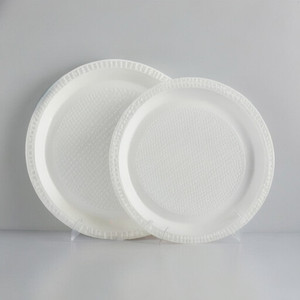
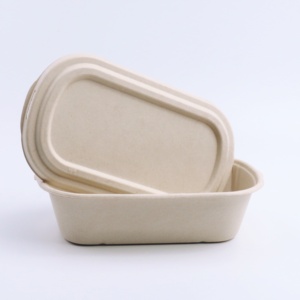
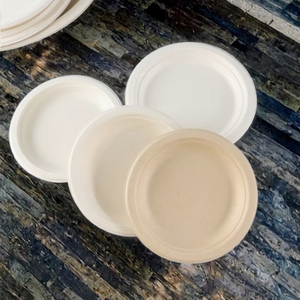
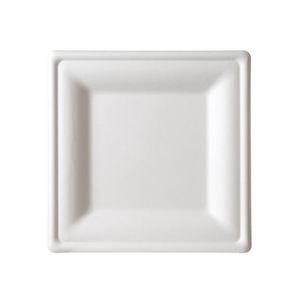
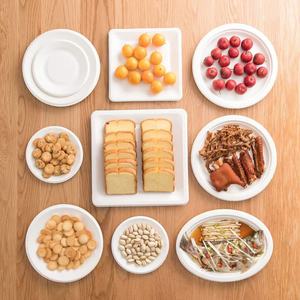
Japan’s food packaging and takeaway sectors are undergoing a structural transition. Following the enactment of the Act on Promotion of Resource Circulation for Plastics (プラスチック資源循環促進法) in April 2022, Japanese commercial enterprises, hotel operators, convenience store chains (Konbini), and institutional caterers have faced accelerating regulatory pressure to purge single-use petroleum-based plastics from their supply chains. Importers and trading houses (Sogo Shosha) in Tokyo, Yokohama, Osaka, and Kobe now demand verifiable, bio-based alternatives that perform flawlessly under traditional Japanese culinary conditions—handling high-moisture items, piping-hot broths, oily sauces, and freezing temperatures without structural degradation.
Unlike conventional PLA (Polylactic Acid) products—which require specialized industrial composting facilities rarely accessible across Japanese prefectures—our sugarcane bagasse and heat-pressed areca palm sheath tableware qualify as 100% agricultural byproduct solutions. They degrade naturally in backyards, municipal soil, or home compost units within 60 to 90 days, producing zero toxic residue or microplastic contamination.
Furthermore, international buyers targeting the Japanese market must navigate strict compliance frameworks governed by the Ministry of Health, Labour and Welfare (MHLW) under Notification No. 370 of the Food Sanitation Act. Our direct manufacturing operations combine third-party verified USDA BioPreferred Certification with rigorous migration safety testing, ensuring seamless customs clearance and immediate retail deployment across all Japanese prefectures.
We eliminate trading house markups, supply instability, and quality variances by controlling the complete manufacturing pipeline—from raw leaf collection to automated high-pressure molding.
Operating 90 production units in Karnataka’s areca belt, our facilities deliver a base output of 4.5 million pieces monthly. We guarantee scalable ramp-up to 9 million units within 75 days for enterprise supply programs.
Our centralized plants run on industrial rooftop solar photovoltaic arrays. Partnering with over 810 local farming families across 2,000 hectares of organic cultivation ensures complete Scope 3 carbon neutrality.
Fully certified under USDA BioPreferred (ASTM D6866 bio-content verification), ISO 9001:2015, ISO 14001:2015, German LFGB §30/§31, EU Regulation 1935/2004, and amfori BSCI social compliance audits.
The versatility of our USDA BioPreferred sugarcane bagasse and areca palm sheath tableware allows seamless integration into diverse Japanese foodservice operations, replacing traditional single-use plastic and paper options with zero operational compromise.
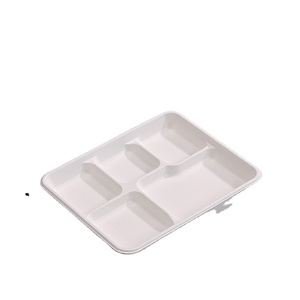
Japanese convenience store operators require rigid, stackable trays capable of holding heavy, saucy dishes like curry rice, tonkatsu bento, and glazed unadon. Our 5-compartment bagasse food trays feature engineered ribbing that prevents bowing when heated up to 120°C in commercial microwave ovens.
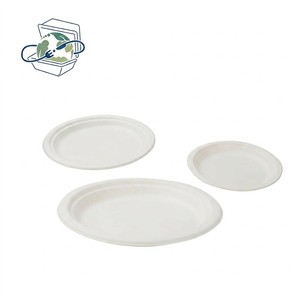
Spring Cherry Blossom (Hanami) and summer Matsuri festivals generate huge volumes of municipal waste. Local Japanese city councils increasingly mandate 100% compostable tableware. Our heavy-duty round bagasse and palm leaf plates provide outdoor vendors with leak-proof, eco-certified serving tools.
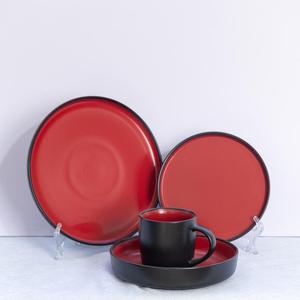
Luxury Ryokans (Japanese traditional inns) and high-end Kaiseki catering services value natural aesthetics. Pressed from fallen areca palm sheaths, our square and round palm leaf plates showcase unique natural wood-grain patterns that align perfectly with Japanese Wabi-Sabi minimalist design aesthetics.
Global enterprises operating in Tokyo (Marunouchi, Roppongi) and major international airports (Narita, Haneda, Kansai) utilize our USDA BioPreferred dinnerware to achieve auditable Scope 3 greenhouse gas reduction metrics and support corporate sustainability reporting.
As Japanese importers re-evaluate their long-term sourcing strategies, three primary macro trends dominate vendor selection criteria:
Direct technical and logistical clarity for Japanese enterprise buyers, trading houses, and OEM brand owners.
Yes. Our sugarcane bagasse and palm leaf tableware undergo heavy metal migration and synthetic chemical testing under Japan Ministry of Health, Labour and Welfare (MHLW) Notice No. 370. Detailed compliance certificates are supplied with every export shipment dossier.
Our baseline MOQ is one 40-foot High-Cube (40ft HC) container, holding roughly 67 m³ or 300,000 to 350,000 pieces depending on SKU configuration. We allow mixed SKU combinations inside a single container at no additional charge.
Our heavy-duty bagasse pulp bowls and deep plates are designed to withstand liquids up to 100°C and hot oils up to 120°C without softening, leaking, or imparting chemical tastes to food.
Yes. We currently produce custom private label tableware for 32 white-label brands worldwide. OEM services include custom inner sleeve artwork, barcoded Japanese retail packaging, master carton labeling, and custom mold engineering.
No. Our plates use 100% natural fibers. Bagasse pulp relies on natural cellulose bonding, while areca leaf plates are shaped purely using 200°C thermal hydraulic pressure. Zero synthetic additives, glues, or waxes are involved.
Standard container loading takes 10 days from confirmed order at New Mangalore Port. Shipping transit to major Japanese ports (Tokyo/Osaka) averages 14–18 days, ensuring fast supply chain replenishment.
Secure stable, high-capacity supply for your Japanese market distribution network. Contact our B2B export team today for direct factory pricing, technical spec sheets, and container loading schedules.