Engineered for commercial food service, high-end resort catering, and retail chains. Fully compliant with Mexico City’s Single-Use Plastics Ban and international compostability standards.
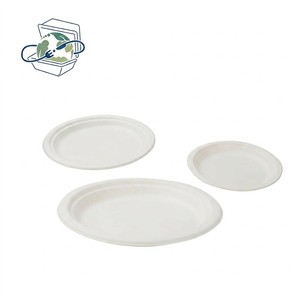
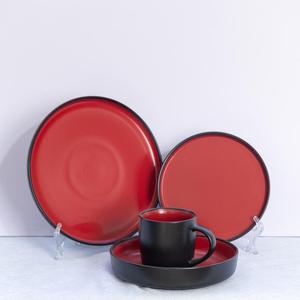
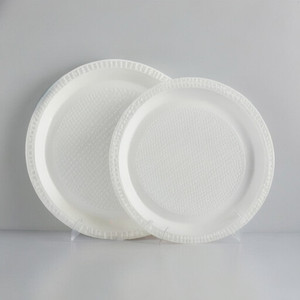
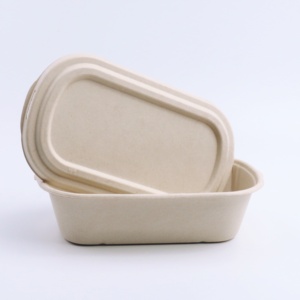
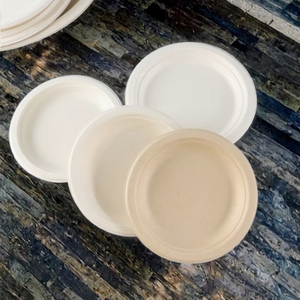
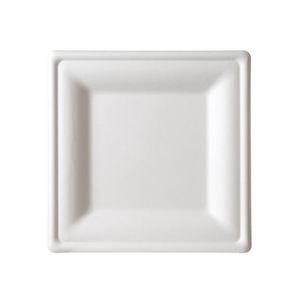
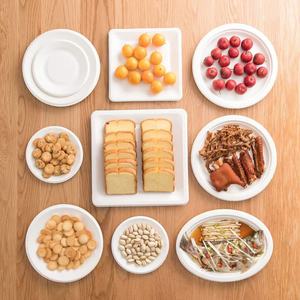
As Mexico undergoes a paradigm shift toward environmental sustainability—driven by federal environmental strategies and local single-use plastic restrictions—commercial food operators, hotel conglomerates, and retail distributors face an urgent imperative to overhaul their disposable dinnerware supply chains. Transitioning from expanded polystyrene (EPS) and conventional polypropylene (PP) to certified biobased alternatives requires a clear understanding of material science, international regulatory frameworks, and supply chain logistics.
Mexico's legislative landscape surrounding single-use plastics has become increasingly strict. Major urban centers like Mexico City (CDMX), Guadalajara, and Monterrey, alongside coastal tourism hubs such as Cancún, Tulum, and Los Cabos, have enacted aggressive bans on petroleum-derived single-use food containers. Mexican buyers must navigate specific legal parameters:
Our direct-factory manufacturing line delivers tableware products that possess full USDA BioPreferred validation (100% biobased content verified via ASTM D6866 carbon testing). Furthermore, our products pass European EN 13432 and American ASTM D6400 commercial compostability testing. Importing USDA BioPreferred tableware provides Mexican importers with a major competitive advantage during customs inspection, eliminating tariff risks and regulatory penalties.
A critical technical failure point for low-grade imported paper or eco-friendly dinnerware in coastal regions like Quintana Roo, Yucatán, and Baja California Sur is moisture softening due to high ambient relative humidity (RH > 80%). Standard starch or recycled paper containers absorb moisture from the air, causing rim structural collapse and bottom oil leakage when holding heavy Mexican culinary dishes (such as birria, mole, or ceviche).
| Material Type | Biobased Content % | Thermal Limit (°C) | Humidity Tolerance (Coastal RH) | Structural Rigidity Rating |
|---|---|---|---|---|
| Sugarcane Bagasse | 100% USDA Biobased | 120°C (Hot Oil & Water) | Very High (Dense Molded Fiber) | High Flexural Strength |
| Areca Palm Leaf | 100% Biobased Natural Sheath | 200°C (Oven / Microwavable) | Exceptional (Natural Leaf Hydrophobicity) | Extreme Rigid Structural Grain |
| Cornstarch Resin (PLA/PBAT) | 70% - 100% Bio-blend | 75°C (Cold/Warm Meals) | High (Water Impermeable) | Flexible / Smooth Finish |
| Polystyrene (EPS / Uncoated Paper) | 0% (Petroleum Base) | 80°C (Leaches Styrene) | Low (Softens rapidly in high RH) | Brittle / Collapsible |
By utilizing 200°C CNC hydraulic high-pressure compression moulding during production, our bagasse and areca sheath products achieve dense interlocking fiber networks. This technical formulation ensures zero structural degradation even when holding acidic salsa, hot broth, or heavy protein dishes under Mexico's intense tropical climates.
Tailored eco-friendly dinnerware solutions designed specifically for Mexico's diverse hospitality, food delivery, and industrial dining sectors.
Luxury all-inclusive resorts in Cancún, Tulum, and Los Cabos demand upscale, sustainable tableware for beachside dining, outdoor wedding events, and poolside buffets. Our Areca Palm Leaf square plates and Bagasse dinnerware offer a zero-plastic aesthetic that elevates eco-luxury hospitality brand positioning.
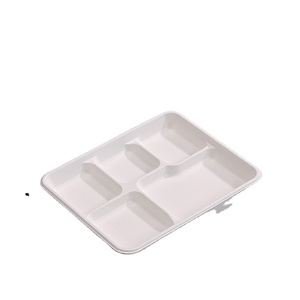
Major corporate dining centers, tech hubs, and manufacturing campuses in Mexico City, Guadalajara, and Querétaro utilize our 3-compartment and 5-compartment sugarcane trays. They provide cost-effective, high-capacity, portion-controlled serving systems that comply fully with local waste division rules.
Mexico's thriving culinary tourism industry relies on rustic, authentic presentation. Areca leaf trays and heavy-duty cornstarch round plates are widely adopted for agave tasting events, street taco festivals, and artisanal food markets where plastic is strictly prohibited by event organizers.
With international corporations expanding manufacturing hubs across northern Mexico (Monterrey, Saltillo, Tijuana), institutional catering contractors are forced to align with global ESG corporate policies, mandating USDA-certified compostable food service items.
Retail chains including Soriana, Chedraui, La Comer, and Walmart México are aggressively replacing plastic party plates on store shelves with branded or white-label retail shelf cartons of sugarcane bagasse and cornstarch dinnerware sets.
Rappi, UberEats, and Didi Food operating in Mexico City and Guadalajara now incentivize ghost kitchens to utilize certified leak-proof bio-containers to prevent food spills during motorcycle delivery across cobblestone streets.
Combining high-capacity automated production with stringent international quality assurance to ensure seamless high-volume shipping to Mexican ports.
Our primary production facility operates on custom rooftop photovoltaic solar arrays. We heat-compress raw sugarcane fibers and natural fall areca sheaths without adding chemical dyes, synthetic binders, or PFAS coatings.
Our operations hold ISO 9001:2015 and ISO 14001:2015 certifications. Every production batch undergoes strict hydro-pressure washing, 200°C CNC heat pressing, 24-hour moisture balancing, and post-press inline UV sterilization.
Order processing to container loading at port takes just 10 days. We manage direct maritime container routes (FCL 40ft High Cube) to key Mexican entry ports including Port of Manzanillo, Port of Veracruz, and Port of Altamira.
We serve over 32 global white-label brands. We provide complete packaging design customization—including retail shelf boxes, inner shrink wrapping with bilingual Spanish/English labeling, EAN/UPC barcoding, and custom carton markings.