High-density pulp matrices engineered for zero-PFAS compliance, micro-oven thermal stability (up to 200°C), and 100% industrial/home soil breakdown. Available for immediate FCL shipment to Nagoya Port (Meiko).
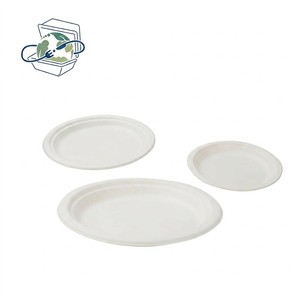
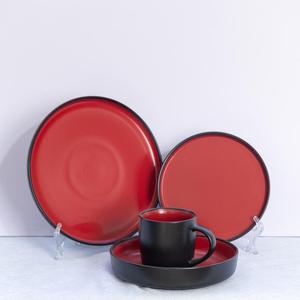
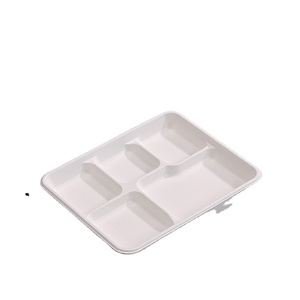
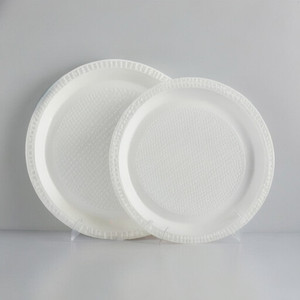
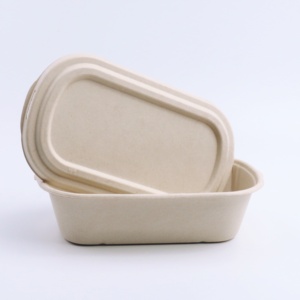
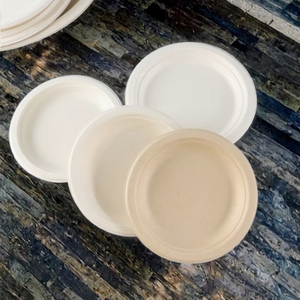
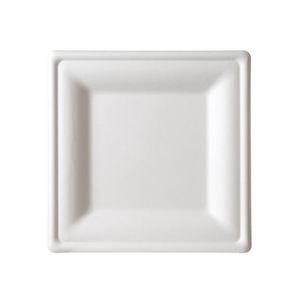
Nagoya serves as the industrial engine of Japan’s Chubu region. As local enterprises pivot aggressively toward ESG integration and decarbonization, bio-based single-use packaging has transitioned from a niche preference to an operational necessity.
The Greater Nagoya area (Toyota City, Kariya, Komaki) hosts world-leading automotive and aerospace manufacturing headquarters. Enterprise cafeterias serving tens of thousands of daily meals are replacing petroleum expanded polystyrene (EPS) with USDA BioPreferred bagasse 5-compartment trays to meet strict corporate Scope 3 emission targets.
High-speed rail (Shinkansen) catering hubs at Nagoya Station and international lounge operators at Chubu Centrair Airport demand tableware that withstands hot Japanese sauces (such as Nagoya Miso Katsu and Hitsumabushi eel broths) without softening, leaking, or degrading structural rim integrity.
Nagoya acts as the primary procurement entry point for high-end eco-tourism in Ise-Shima, Takayama, and Shirakawa-go. Premium resort operators utilize rustic, organic Areca palm leaf plates to deliver an upscale visual experience that aligns with authentic Japanese environmental aesthetics (Wabi-Sabi).
Evaluating USDA BioPreferred Fiber Substrates against Legacy Disposable Materials in Japanese Foodservice Conditions.
| Performance Metric | USDA BioPreferred Bagasse | Areca Palm Sheath | PLA-Coated Paperboard | Expanded Polystyrene (EPS) |
|---|---|---|---|---|
| Bio-Based Carbon % | 100% (ASTM D6866 certified) | 100% (Raw natural leaf) | 65% - 80% (Wood + PLA) | 0% (Petroleum synthetic) |
| Max Thermal Limit | 200°C (Oven / Microwave) | 200°C (Oven / Microwave) | 85°C (Deforms above) | 80°C (Toxic leaching risk) |
| Hot Oil Resistance | 120°C (PFAS-Free Barrier) | 150°C Natural Wax Layer | 90°C (Coating breakdown) | Poor (Dissolves with oil) |
| Soil Compost Time | 60–90 Days (EN 13432) | 60–90 Days (Home compost) | 180+ Days (Industrial only) | Non-Biodegradable (500+ yrs) |
| Japanese Customs clearance | Approved (Shokuhin Eisei Hō) | Approved (Phytosanitary) | Requires PLA testing | Strict municipal restriction |
Enacted nationwide, Japan’s statutory framework compels hotel chains, convenience stores, and restaurant networks in Aichi Prefecture to drastically curtail single-use petroleum plastic items. Importers in Nagoya are rapidly shifting purchasing volume toward USDA BioPreferred bagasse and natural leaf fiber tableware to comply with municipal waste reduction audits without compromising on operational utility.
Japanese commercial procurement buyers are extremely risk-averse regarding "greenwashing." The USDA BioPreferred mark offers third-party laboratory verification (via ASTM D6866 bio-based testing) that guarantees products are sourced entirely from agricultural waste byproducts—giving Nagoya trading houses full compliance documentation for enterprise tenders.
We eliminate intermediary trading markups by offering direct OEM factory contracting backed by rigorous quality control systems and solar-powered manufacturing infrastructure.
90 heat-pressing production units powered by dedicated rooftop photovoltaic arrays, ensuring carbon-neutral manufacturing metrics from raw material input to container seal.
Fully certified under ISO 9001:2015, ISO 14001:2015 (TÜV), amfori BSCI social audit standards, LFGB §30/§31 parameters, and EU Regulation 1935/2004 for food contact safety.
Rapid lead-times: just 10 days from order confirmation to FCL loading at port. Contracts feature a 1%-per-day penalty clause written in the buyer's favor for peace of mind.
Custom packaging, Japanese barcode integration (JAN), custom shrink-wrap inner sleeves, display outer cartons, and customized mold prototyping within 20 days.
Our standard direct-factory MOQ is one 40-foot High Cube (40ft HC) container, holding approximately 67 m³ (between 300,000 and 350,000 individual pieces depending on SKU selection). We support mixed-SKU loading inside a single container at no additional fee, allowing Nagoya distributors to balance inventory across plates, bowls, and compartment bento trays.
Both materials excel in heavy-duty food service. Thermoformed sugarcane bagasse features an integrated, non-toxic bio-wax binder matrix capable of holding liquids at 100°C water and 120°C oil for extended dining periods without soggy bottom collapse. Naturally pressed Areca leaf plates feature inherent surface waxy sheaths that resist deep frying fats and heavy sauces like Nagoya ramen or curry without microwave deformation.
Yes. All manufactured batches comply strictly with international food contact guidelines (EU 1935/2004, LFGB §30/31, FDA, and Japan Sanitation testing standards). Products are chemical-free, fluorocarbon/PFAS-free, bleach-free, and undergo inline high-temperature UV sterilization prior to automated shrink-wrapping and master cartoning.
Yes. We currently produce private-label tableware for 32 white-label brands across 19 countries. We provide end-to-end OEM customization including Japanese text compliance labels, JAN-13 barcoding, custom retail pack sizes (e.g., 6-pack, 10-pack, 25-pack), and customized, stackable master shipping cases designed for efficient Japanese pallet sizes (1100mm x 1100mm T11 standard pallets).
Shipments are loaded directly at our plant and dispatched FOB from New Mangalore Port (India) or secondary ocean gateways. Total transit time to Port of Nagoya (Tobishima Terminal) typically ranges between 14 to 22 ocean days. Full phytosanitary certificates, bill of lading, certificate of origin, and container loading photo logs are dispatched within 24 hours of sailing.